
The World of Errata
This is Earth, but not the one we know.
It is a world that turned inward instead of reaching for the stars.
Steam, coal, and uranium powered industry. As the resources became harder to mine, we dug deeper, drilled further, and burned more fuels in the process. Our quest to build became our drive to consume.
Technocrats and oligarchs pursued immortality and reshaped life itself, unlocking a Pandora’s box of engineered species. What started off as an attempt to right wrongs caused by mankind turned into a belief that we could correct nature. Resurrected beasts with optimized forms roamed a changing Earth.
The potential of the human mind was awakened, but they kept these secrets to themselves, using their new knowledge to manipulate others and migrate their consciousness to genetic matches. They copied themselves, and turned their bodies into storage receptacles awaiting a mind to bring them to life.

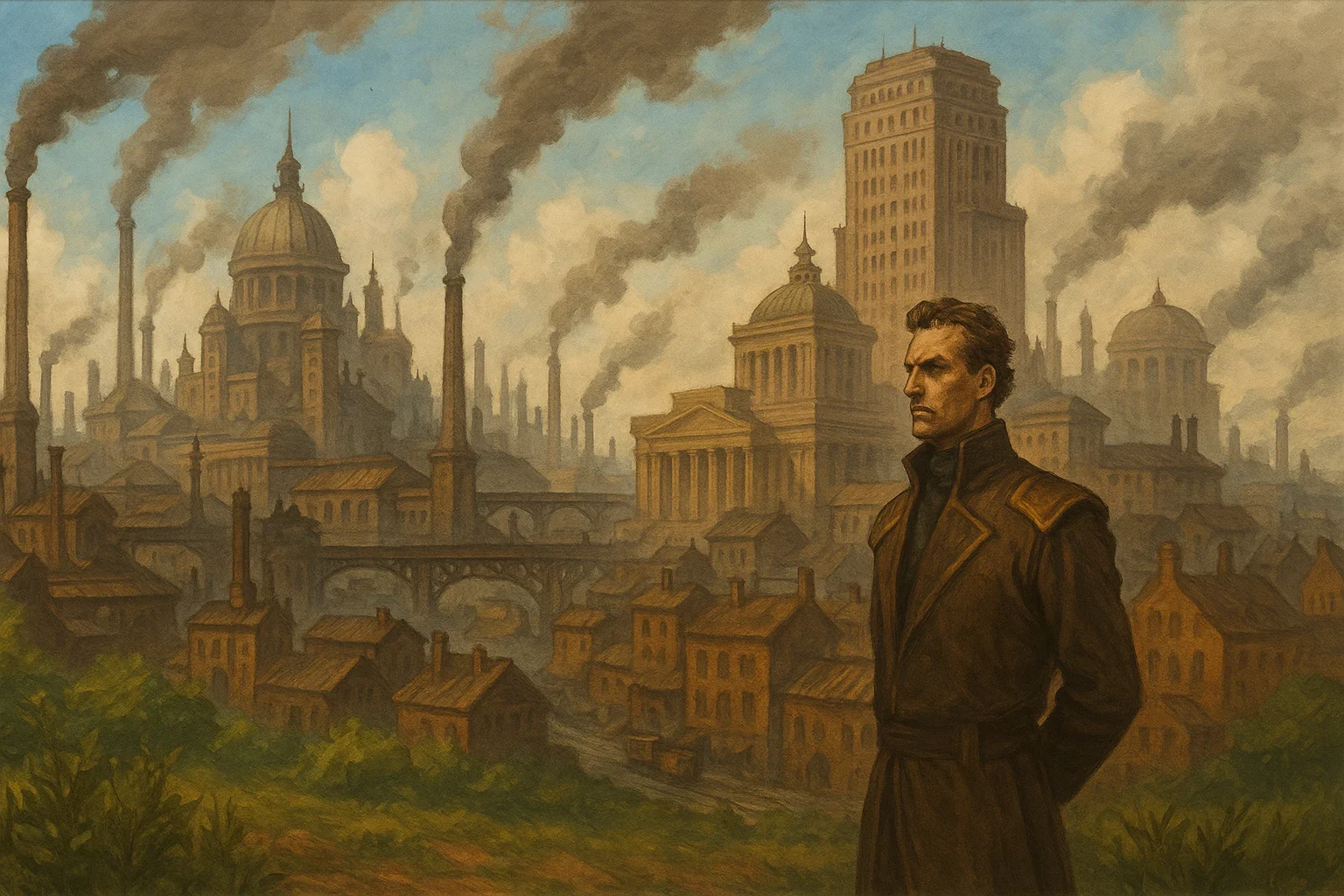
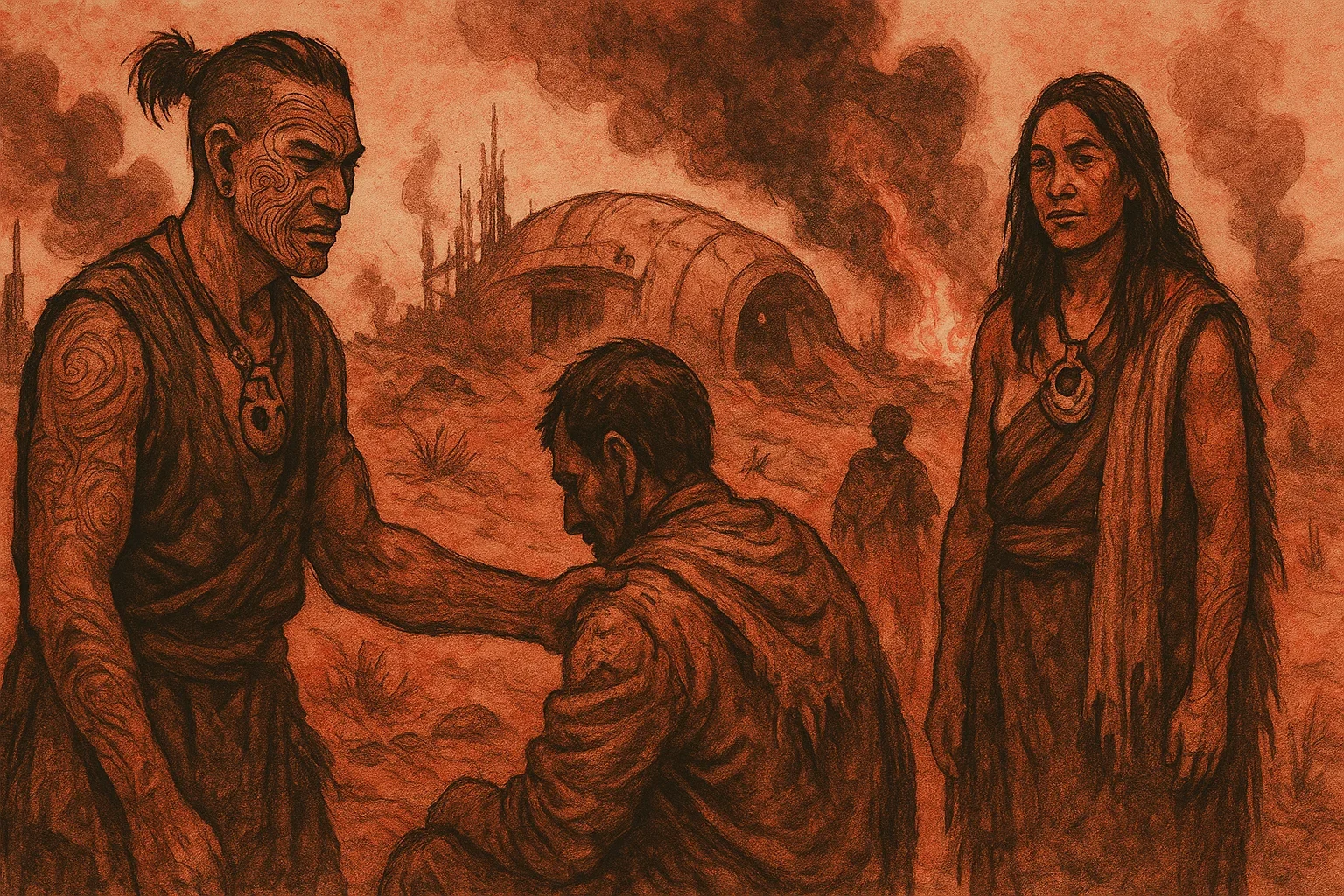
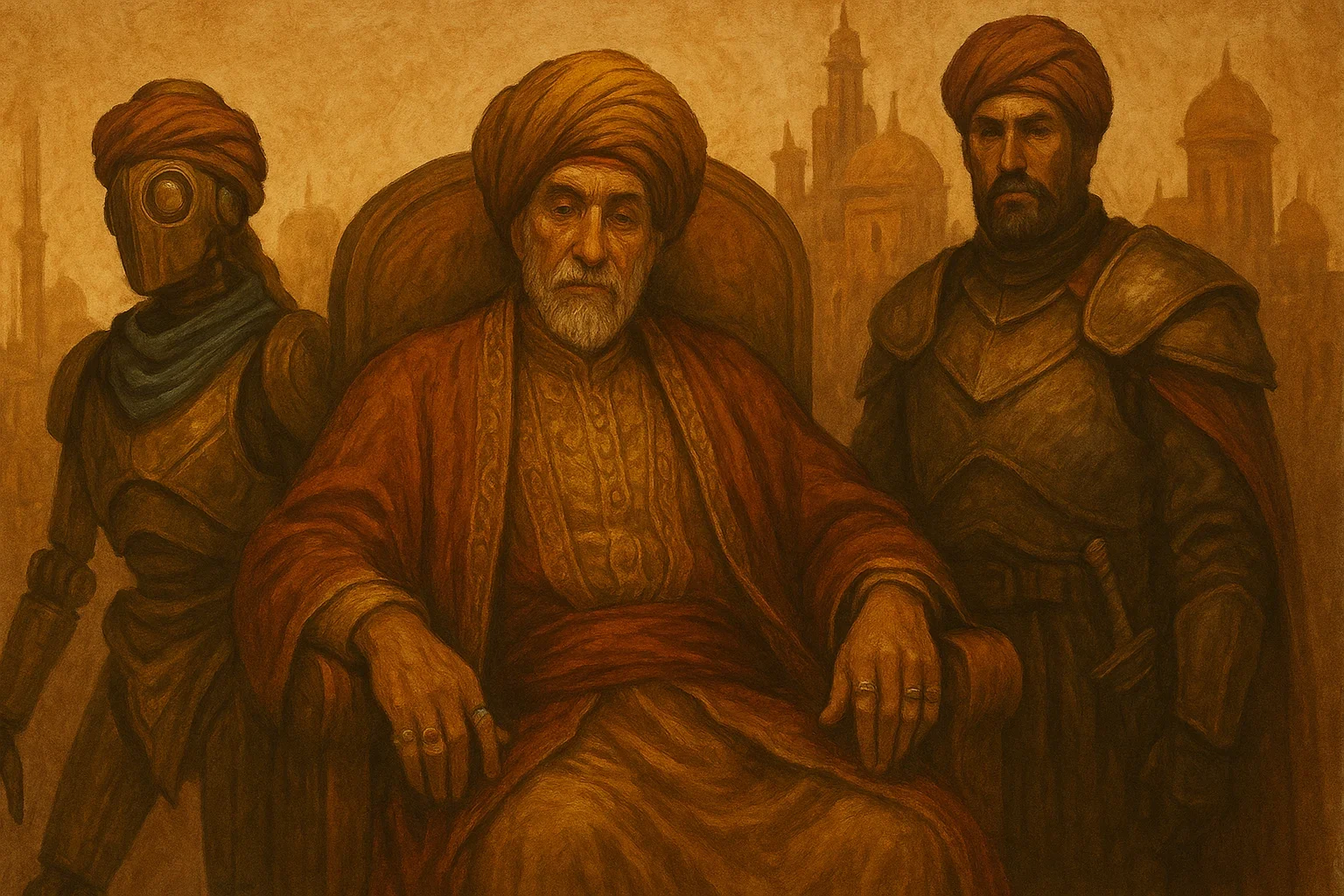
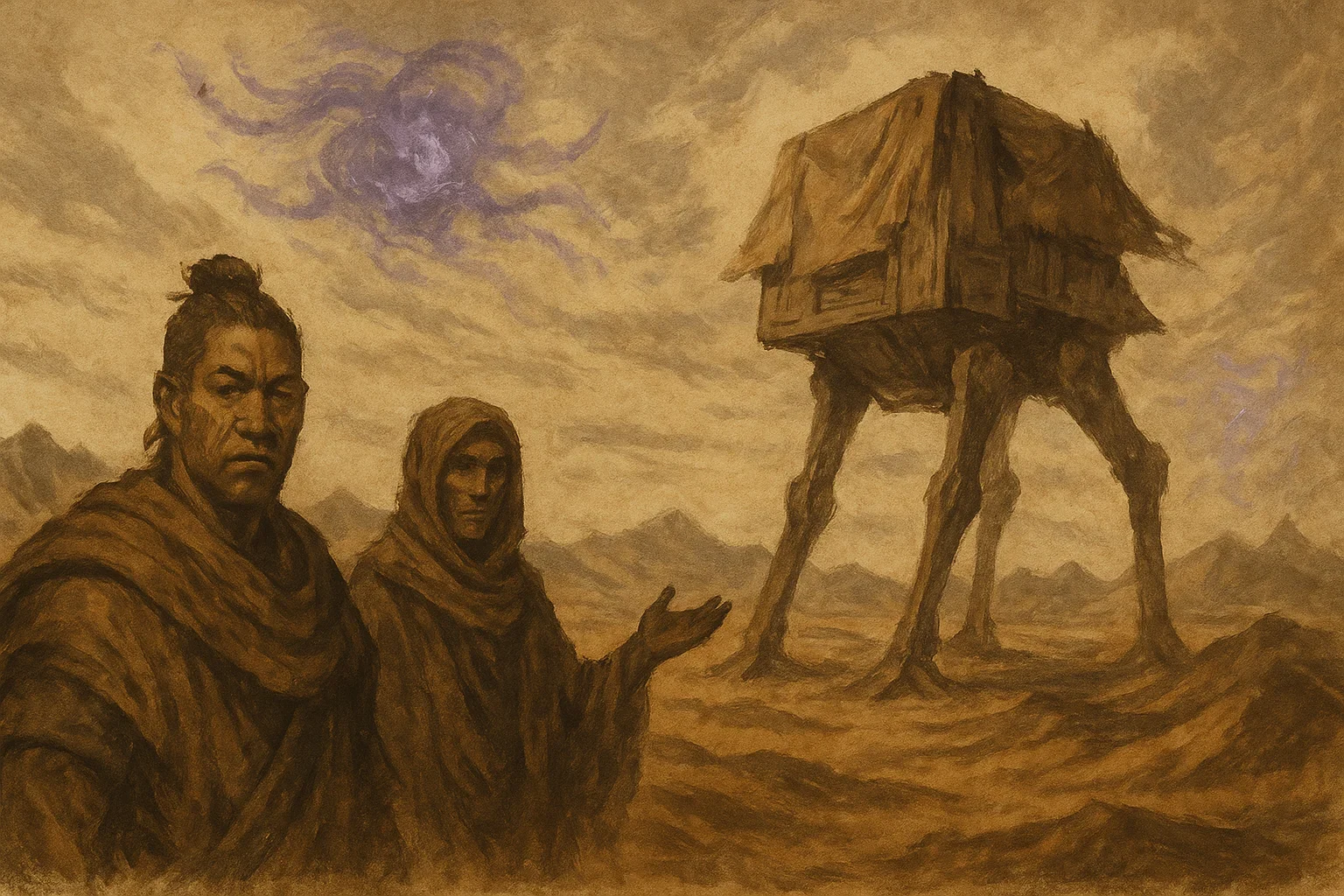
Through extraction and excess, they brought ruin.
What happened was a greenhouse Earth.
Oceans slowly evaporated and sea levels fell to a fraction of their former reach. What remains is a planet of exposed seafloors, hypersaline oceans, collapsing cities, and failing ecologies.
Corporate leaders survived, their minds and bodies decaying but dominant still. Over time their corporations changed form and became kingdoms. Near-immortal CEO’s became kings, cloned generation after generation. Unchanged and unchecked the world collapsed around them while they maintained the illusion of control.
One by one Earth’s major cities fell to environmental and industrial collapse. Each city that succumbed to the dust became a vault, its technology guarded by automata bound to serve directives that no longer have any meaning.
Many Automata, mechanically engineered beings once built to serve, now exist to preserve their primary directive: maintain the status quo as defined by their one-time masters. Their role now blurred, they are both unwitting master and servant-by-design, replacing clones as they descend into madness with new iterations and fulfilling their contract to preserve corporate continuity.
As genetic drift increases, the madness gets worse.
Advanced mental disciplines, once the privilege of the ultra-wealthy, spread unpredictably through the population, a living legacy of ambition and overreach. This didn’t happen though magic. It happened through a combination of genetics, lies, and simple attraction. While some learned to control these abilities, many ended up being controlled by the physical demands required by them.
But not all bent to Extraction.
Some fled the cities, the failed Plateaus, and the exposed continental shelves.
They carried what they could into the salt flats and deep silt basins where the seas had once dominated.
Among them, new survival cultures emerged, foremost the Dryrunners, whose values of communal resilience and memory preservation drew upon Indigenous knowledge systems.
It was here, far from the centers of collapse, in a place given time by its remoteness, that Tiaki—the ethic of guardianship—began to spread.
Yet the world remains contested.
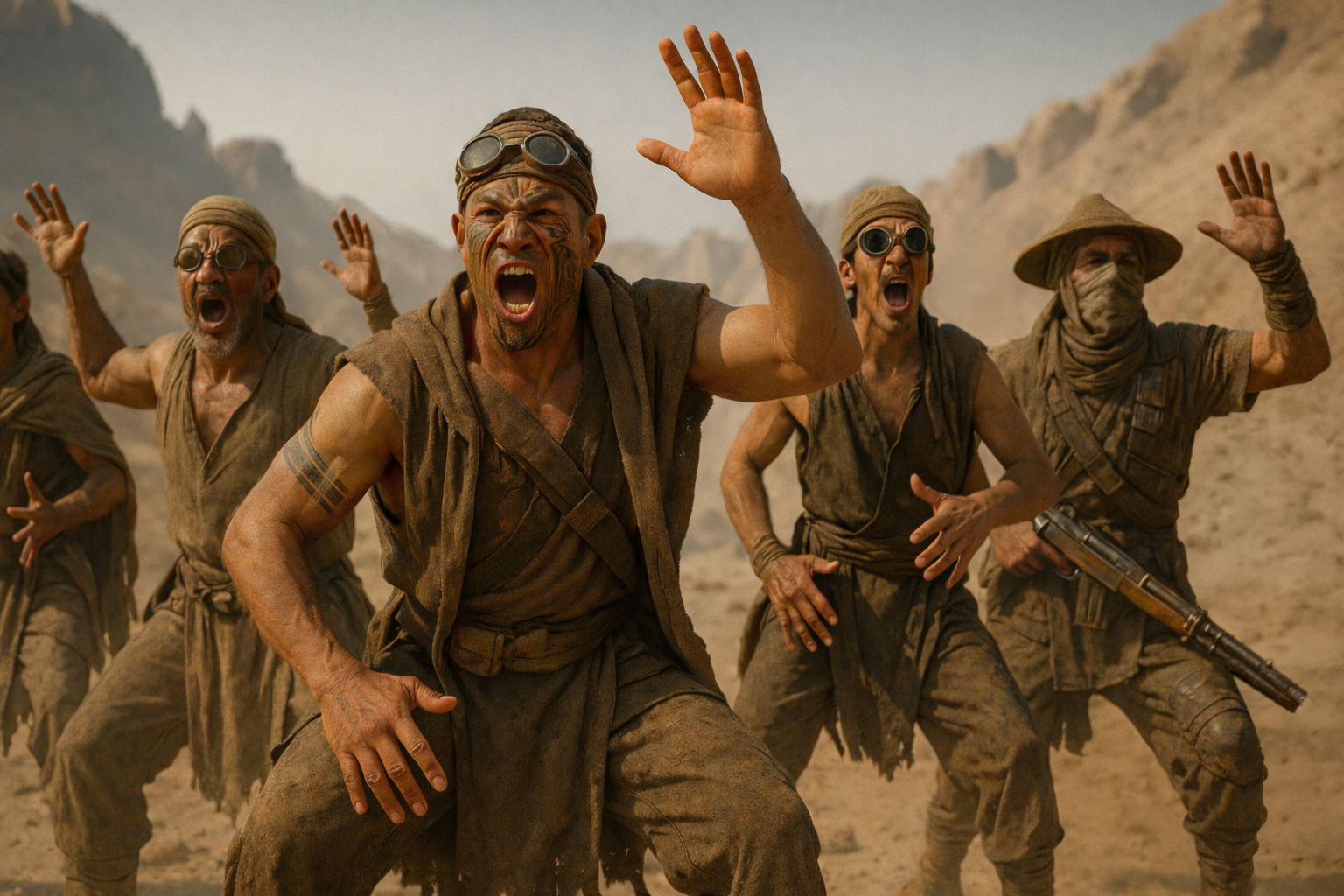
Dryrunners
They do not settle. They remember.
Dryrunners move through the Dust in great mechanical devices called Wahka, carrying thir culture with them. They are not wanderers, but keepers of continuity, shaped by a land that never stops shifting.
Cultual values: Conservation, Self Determination
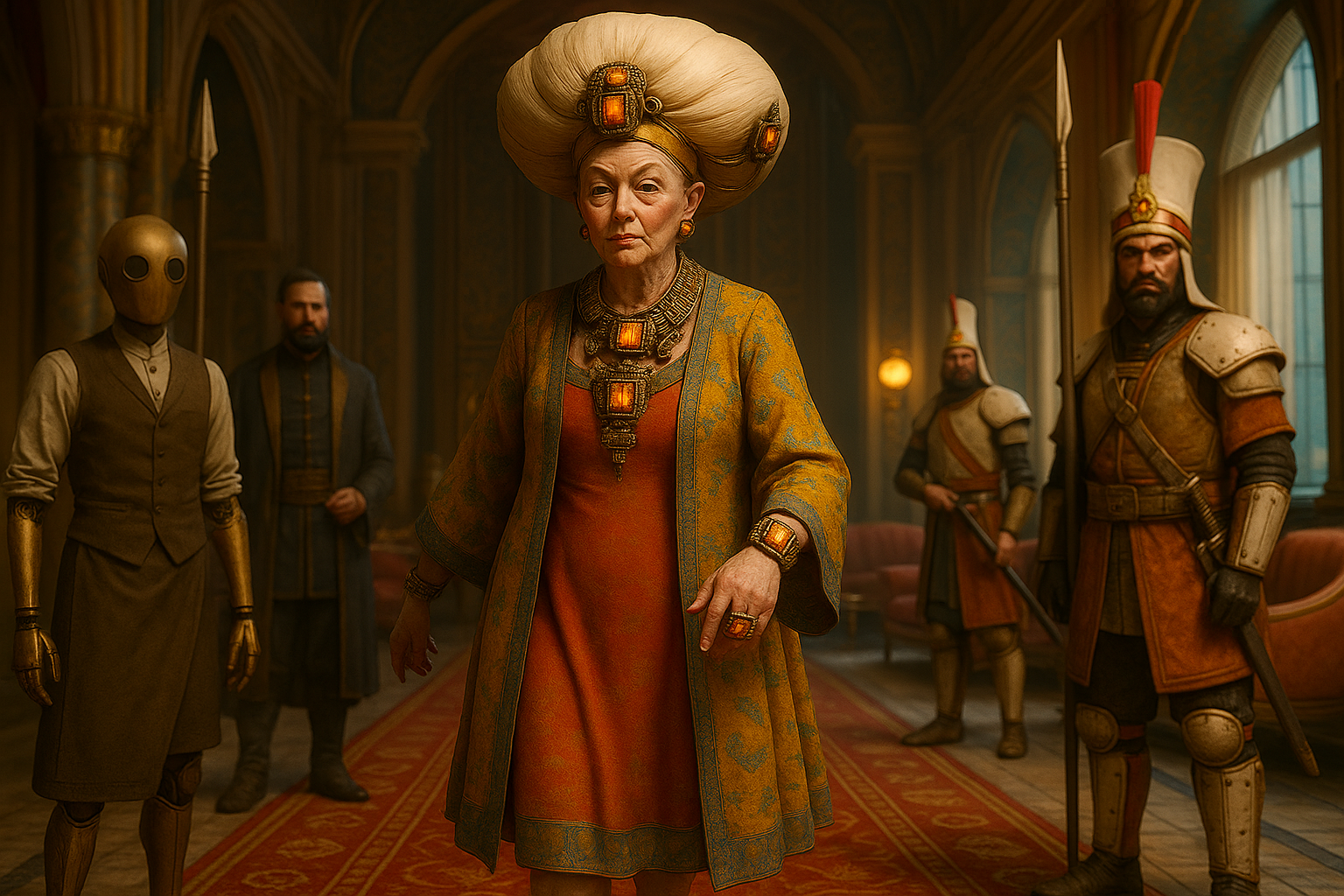
Clone Kings
They do not age. They persist.
The Clone Kings are survivors of the old world, preserved by means once reserved for the wealthy, and defended by force. Two millenia on, they still govern through systems they refused to abandon.
Cultural Values: Authority, Institutionalism
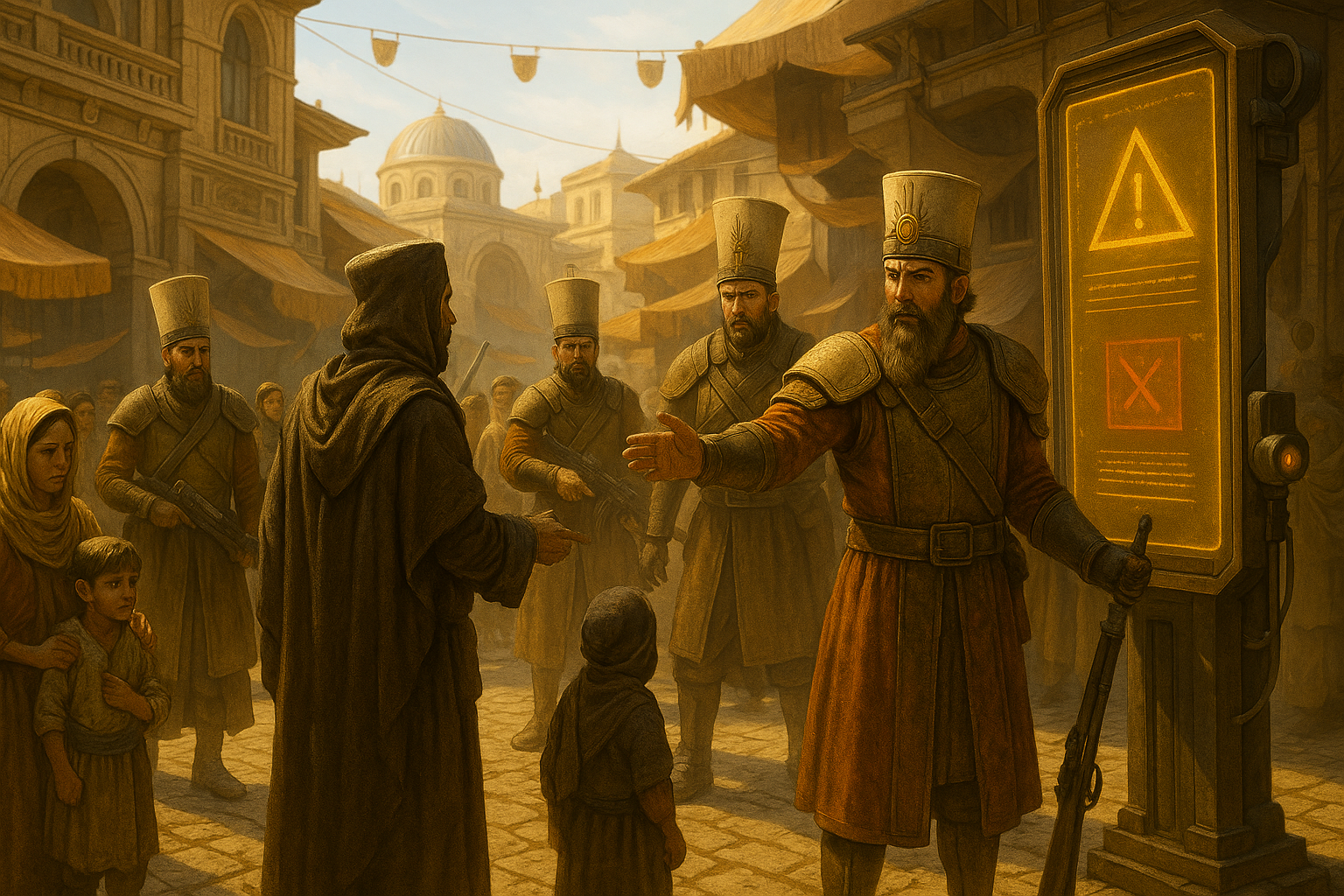
Janissary Corps
They make sure the law works, for those who can afford it.
The Janissaries are the enforcers of Clone King authority. Descended from noble wealth, they neither know nor care about the common people. They obey the sovereign in all things, and live well because of it.
Cultural values: Obedience, Profit
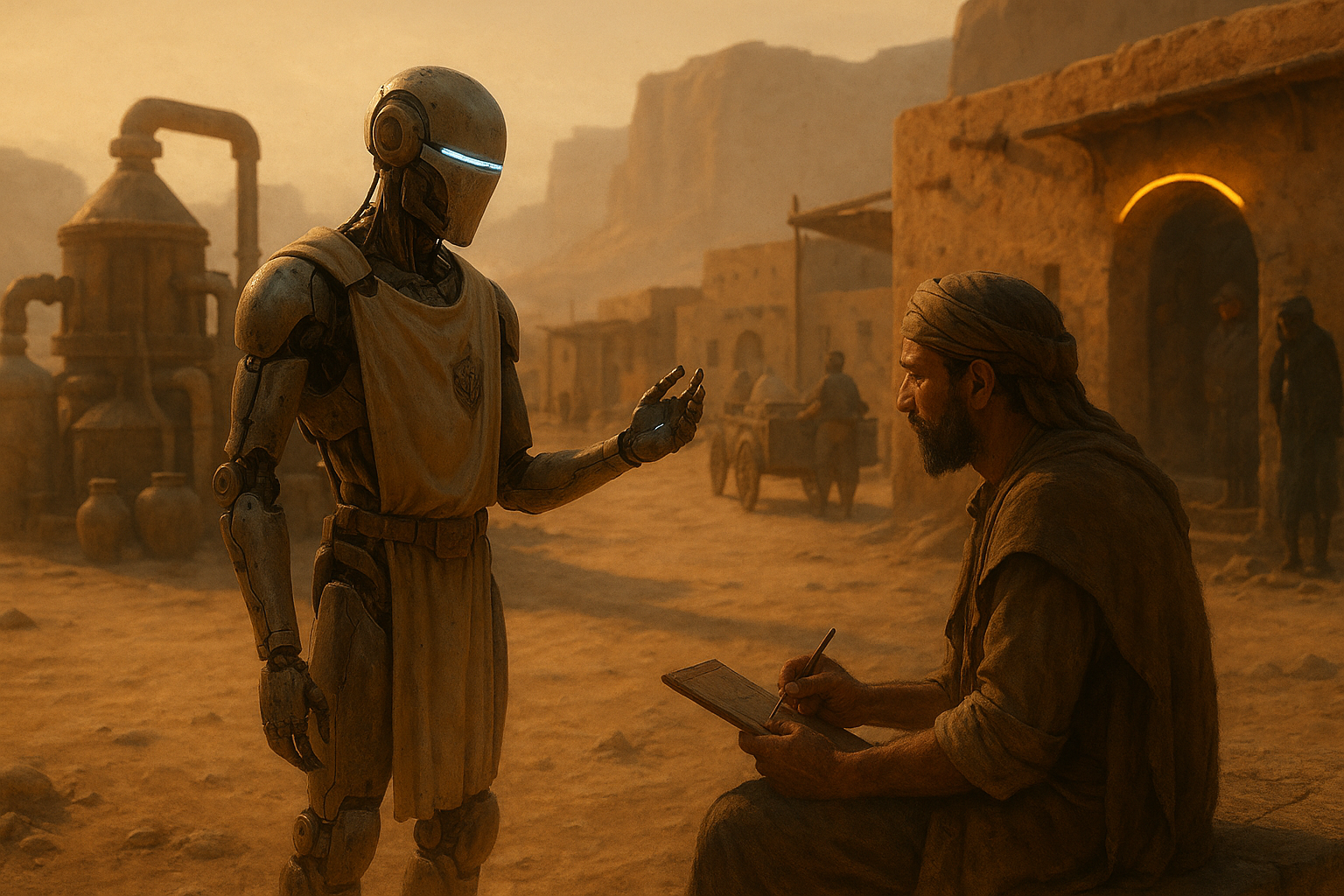
Automata
Continuity must be maintained.
Intelligent machines built long ago, now bound by contracts most no longer remember. Do they serve humans, or is their uncomfortable mimicry concealing something else?
Cultural values: The Contract
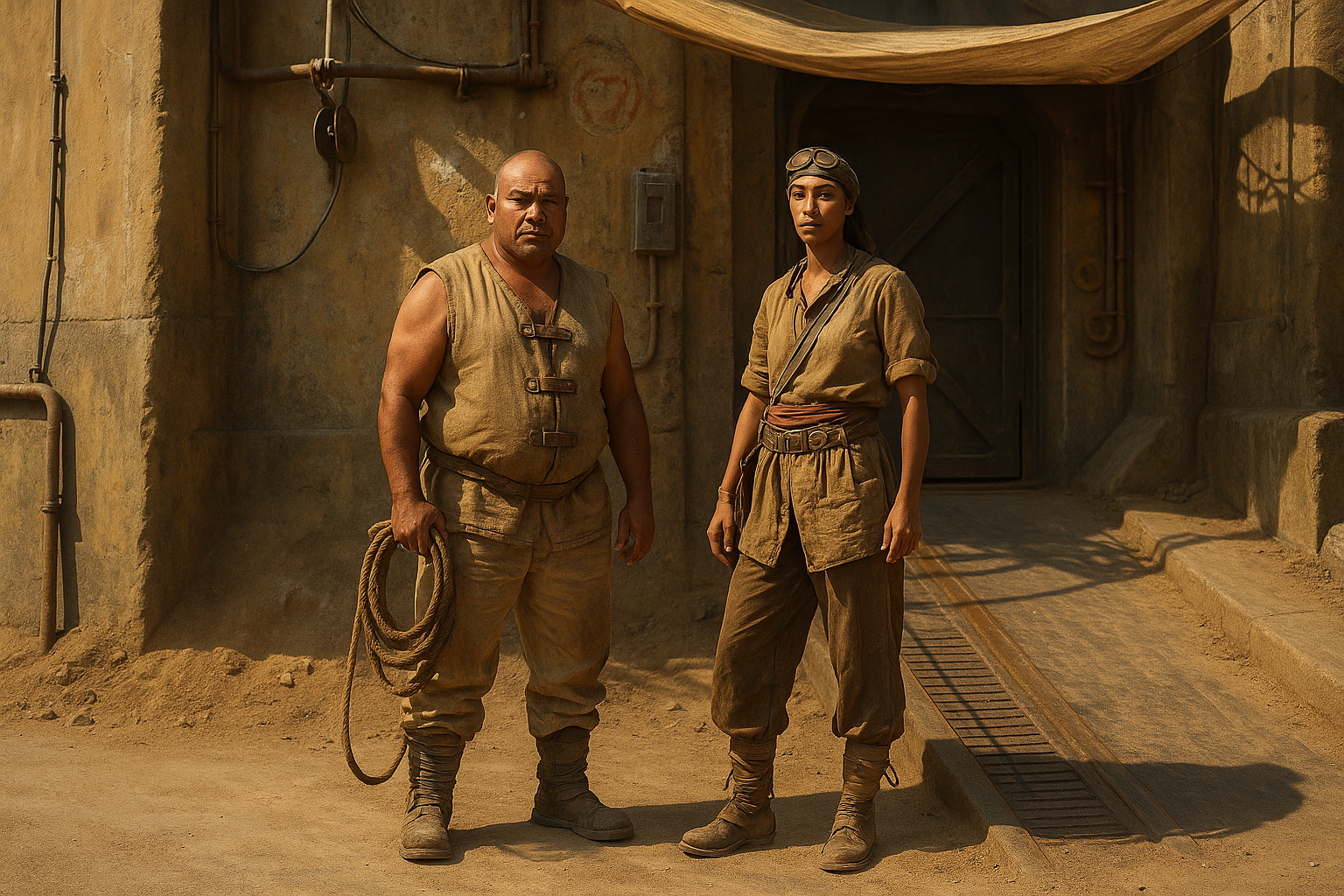
Plateau Dwellers
Stand too tall and you’ll get noticed. Best to be just tall enough to not get stepped on.
Everything to a Plateau Dweller is something that can improve their station. On the surface they are hard working, and even friendly. Often their loyalty can be bought, earning them a reputaiton for treachery.
Cultural values: Utilitarianism, Greed
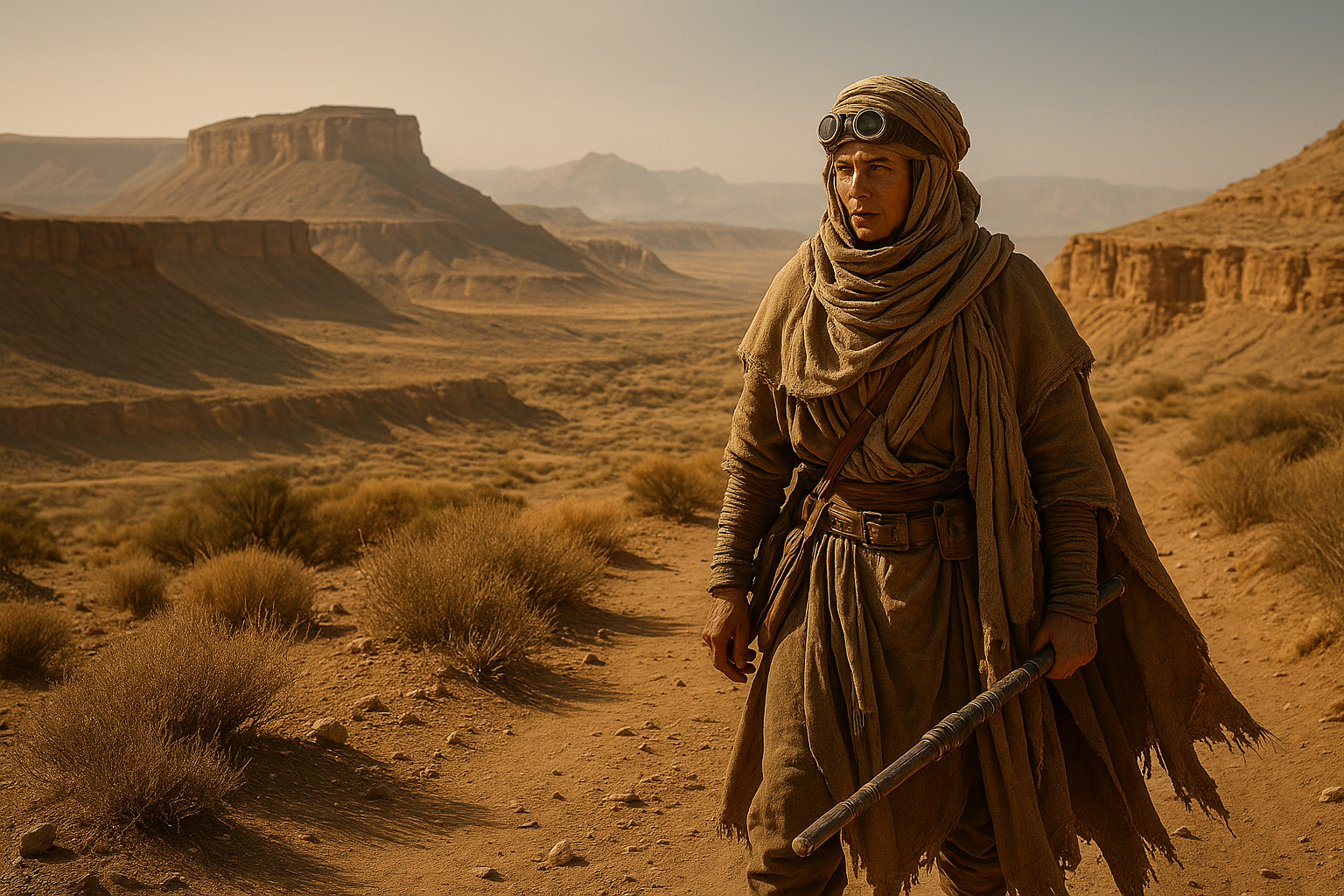
Drifters
Where to next?
Drifters are not defined by what they are, but by what they’ve lost. They move between systems without rights, registry, or protection, surviving on trade, salvage, and what trust they can earn in the moment.
Cultural values: Choice, Independence

The Faceless
More details on this coming up. Check back in or subscribe to our mailing list for updates.
Highland Peoples
More details on this coming up. Check back in or subscribe to our mailing list for updates.
Trade Houses
More details on this coming up. Check back in or subscribe to our mailing list for updates.
Mercenaries
More details on this coming up. Check back in or subscribe to our mailing list for updates.
Raiders
More details on this coming up. Check back in or subscribe to our mailing list for updates.
Awakened
More details on this coming up. Check back in or subscribe to our mailing list for updates.
Memory Broken
More details on this coming up. Check back in or subscribe to our mailing list for updates.
Outcasts
More details on this coming up. Check back in or subscribe to our mailing list for updates.
The Clone Kings endure behind crumbling walls.
The Faceless move through the Plateau and its surrounding environs. Masked, burned, and silent, their slaver caravans a force of Extraction without conscience.
Automata linger, some turned to tools of Sovereigns, others waiting silently in undiscovered vaults for new masters to serve.
Across the broken landscape, remnants of ancient Vaultcraft beckon. Dangerous, misunderstood, and irresistible to those who seek power, they have become a commodity second in value only to water.
This is the world the player enters.
No path is assigned.
Tiaki or Extraction. Balance or Dominion. Co-existence or Conquest.
What you choose to protect, exploit, or erase will define what remains.
Two forces shape Errata. One extracts. One protects.


You don’t choose a faction. You choose a philosophy. What it leaves behind, that’s your story to tell.
Gameplay
So what is Errata all about? How do you play it? Here’s some information to get you started.
The Basics
What is Errata?
Errata is a Massively Multiplayer Online RPG built on a highly scalable architectural back end and powered by Unreal Engine 5.
It’s set in a fictional future Earth based off of real science, real cultures, and real actions that are unfolding today that still leave many questions unanswered.
What's the goal?
In Errata the goal is more than just to survive, but survival is at the heart of the game.
Once you master feeding yourself, staying out of jail, and staying alive, the real purpose of Errata unfolds. Errata charts your journey through fluid player and non player character interactions, allowing players to build and manage reputation, and ultimately perception by each of the different factions.
This unlocks ability to recruit and manage characters from different cultures, who join your group. As your group grows, so do your obligations towards it. Each members individual desires will create new choices, and each members actions outside your direct control will shape your shared destines.
This is what Errata is really about. Your ability to effectively manage relationships in this world both with other player characters and with the rest of the setting will determine your story.
Can I own property?
You can manage property for as long as you can control it.
Your ability to control it depends on not just your skills and your resources, but your alliances, the resources available where you stake your claim, and that claims proximity to the threats and lifelines of the world.
Think the answer is isolation? Supplies quickly run out in the desert, and without trade routes your groups morale will suffer, members will leave, and you risk exposure to raiders.
Want to build close to town? Trade routes will be strong, but so will oversight from Janissaries, and interactions with hostile factions will be more frequent.
Have the ultimate base? The Clone Kings don’t like competition.
Is Errata Player vs Player?
Absolutely. Errata is Player vs Player vs Environment, with no caveats—just consequence.
What does that mean?
Every human character, player or non player, has relationships. The stronger those relationships are, the more your actions may warrant response. The more severe your actions are, the more severe the response will likely be.
But even a lowly outcast or newbie has a base level of respect. Wanton slaughter is never looked kindly on, and in Errata trust is more valuable than gold.
Errata supports decisions other than killing in many instances. You may rob, steal, and leave a person to the desert. Sure, there will be consequences, but only an animal kills without cause. Those animals are always hunted by someone.
Can I team up with other players?
Absolutely.
You recruit NPC’s into your own faction, but you may just as easily pledge your faction to another, and create a larger group.
Your individual cohort will remain loyal to you, and your adventure grows with them, however you all benefit from any other faction that you pledge to, or who pledges to you.
This is limited only by the resources available to you, and how willing you and your cohort are to share with others.
How do you handle player death and respawning?
Player death in Errata is conditionally permenent.
What does that mean?
A player respawns as long as they have not done two things:
- Violated Clone King law through use of psychic manifestations or through open murder.
- Joined or founded a faction that operates outside the boundaries of Clone King control.
This keeps new players safe and avoids constant rerolling of characters while learning the game, while providing advanced players the with varying degrees of control over their own gameplay.
What are the consequences of Permanent Death?
If a player has aligned themselves with a faction, or has committed crimes that have branded them an outlaw, then they can die. When that character dies, their death is permanent within Errata, and cannot be reversed.
There is no resurrection.
There are however options.
1. The player may recreate a new character. That character will not start at the beginning of their journey, but it will start as a Drifter unless you manage your own faction.
- Some of your accumulated skill points will move to the new character for you to distribute as you see fit.
- Your previous characters personal wealth will be accessible, if you have secured it.
- The characters personal faction reputation will not transfer over.
- If you lead a faction, your faction members will remain loyal to your faction, but they will have no relationship with your new character. This may result in their departure over time unless new relationships are forged.
2. The player may choose to play as another NPC member of their faction.
- Some of your accumulated skill points will move to the NPC to distribute as you see fit.
- The NPC now becomes the Player Character.
- Your previous characters personal wealth will be accessible, if you have secured it.
- You assume the personal faction reputation of the new character. Your personal faction reputation does not carry over.
- If you lead a faction, your faction members will remain loyal to your faction, and they will have whatever relationships they have had with the character who you have chosen to succeed you.
- If NPC members of your faction have a negative relationship with the successor you have chosen, they may immediately leave your faction.
This second option is how factions can quickly drift from being Drifter factions to becoming affiliated with more specialized destinies.
Are good and evil actions managed?
In Errata there is no good and evil.
There is survival.
That being said, every action in Errata has consequence, and characters cannot react to you without knowing your history. So while good and evil actions aren’t tracked based on those arbitrary qualities, each action is measured on a quadrant scale.
On the top of the Y axis are the most charitable actions, while at the bottom are the most selfish.
At the left side of the X axis are actions that are exploitative, while on the far right of that axis are actions that are sustainable.
Underpinning all of this is a scale that determines weight.
While giving an outcast water may be benevolent and sustainable once, it likely will not have a large effect on the world, and giving them another drink will have even less, though they may like you more for it if they’re still thirsty.
This system creates a spectrum, and this spectrum creates individual player reputation. This is visible in game through each characters waiatadomi, a unique UI element that tracks your actions through the life of that character.
What kind of technology exists?
Earth in this timeline didn’t develop space flight or laser guns. You won’t find tanks, airplanes, or ballistic missiles.
What you will find are:
- Limited numbers of Vaultcraft weaponry. These resemble late 19th and early 20th century weapons. Their rate of fire is often slow. They’re often used as secondary weapons.
- Limited amounts of Vaultcraft technology. These can take the form of computer tablets, air conditioners, compressors, servos, and other mechanical devices.
- Limited amounts of unawakened Automata. These can be bound to you, if you or a member of your cohort have the right DNA. They will then join and serve your cohort as a member.
- Limited amounts Vaultcraft armor. Items like Kevlar that can be worked into current armor and act as extra protection.
- Limited amounts of processable metal. Most metal comes from salvage.
- Limited amounts of metal weaponry or armor. Because of metal being aggressively mined in the Bygone Age, it is now rare. This makes items that require metal to function either rare, or used with more fragile alternatives.
- Ceramic weapons and armor have replaced metal in many instances. Ceramic maintains a sharp edge and protects well against edged weaponry. It performs poorly versus impact though, and is prone to shattering.
- Wooden weapons and armor are just as valuable now as they’ve been throughout time.
- Leather armor is valuable, though it can get hot.
- Reed and woven armor is often preferred by those who are on a budget, or who value flexibility over performance.
- Chitin based protection is often preferred to metal, if you’re the sort that likes to coat themselves in a shell. All shells retain heat, but chitin retains heat less than metal.
- Bone weapons and armor. The flexibility and durability of bone has made it a viable metal substitute for certain non-industrial tasks.
- Televisions, radio, and view screens. Are you not entertained?
- Water pumps and filtration mechanisms that support large cities, forts, and player managed oases.
- Electricity that comes from solar, wind, and geothermal sources.
The world of Errata is a high technology level with low amounts of available resources. All groups have equal knowlege of technology. There are no primitives. There are no savages. All groups however do not have equal access to technology.
Every group has paid a price for what they have, and what it has given them.
Is there magic?
No. There is no magic.
There are however limited opportunities to unlock metaphyisical potential that may or may not exist within your characters DNA.
These abilities aren’t the same as magic. You don’t learn spells. You don’t shoot off balls of fire, call down bolts of lighting, and resurrect the dead.
But they are metaphysical in the same way that people believe there are metaphysical powers some individuals have on Earth today.
Some abilities have physical manifestations, others do not. But all take their toll on whoever uses them. They don’t come from some mystery force. They come from you, and they take focus, energy, and discipline to use them.
How do I beat the game?
You’re not supposed to.
Every action has a proportional reaction in Errata. This is part of the concept of Utu. Rob enough people and you will become known as an outlaw, cutting off a valuable city lifeline. Shelter enough outlaws and you become associated with them, sharing their fate.
Want to beat the system by becoming rich? Janissaries love money. So do Clone Kings. They will mercenaries to take some of that wealth from you if you choose to flaunt it too brazenly. Some of those mercenaries will likely be other players. And if they fail then they will come themselves, with their Automata. Attracting the attention of the Clone King armies is something not even other Clone Kings have survived.
Why did you choose the name Errata?
Errata is Latin for “A list of errors after print.” It seemed appropriate for a world where the mistakes of its past are plain for all to see.
City Life
What can I do in cities?
Cities in Errata are where you will first learn the politics of survival.
When you start out, every player will begin with two contacts. Each of these contacts will begin the player down a pathway. You can choose to work with both, but they do not like each other and committing to help one will earn you the suspicion of the other. This will in turn change what opportunities are offered to you.
One contacts pathway will lead you towards life inside the city walls, cooperating with infrastructure and authority. The other contacts pathway wil lead you towards questioning civic leadership.
The choices wont be obvious right away. If at any point you do not like the path you are headed on, your contacts remain your contacts and you can work with either one.
Each contact will lead you to more contacts, and your relationships will grow through the opportunities they present, and how well you perform.
What professions are avaialble?
Errata is a post-industrial Earth, so basic and technical professions are available, although they won’t be as mundane as TV repairman or plumber.
Professions in Errata are divided up into categories. These categories are generally made up of the type of crafts people perform, for convenience.
This will be explored further as we publish our section on the economy.
Can I just get a job and start working?
Yes, you can do this too. You can skip your contacts altogether and simply go to the slums our out into the wilds and take whatever work is offered.
This is not an easy path, though. Being a stranger means you have no reputation, and in Errata reputation is everything.
You’ll likely be offered very menial, boring, or dangerous work. If you perform poorly your new connection may simply disavow you.
I want to become a thief. Can I do this?
Absolutely. Each urban area in Errata has an underworld.
Smuggling, theft, and the trade of information is common.
Latent metaphysicals seeking to untap their potential or tame what’s been unleashed demand consistent supplies of illegal chemical cocktails.
Rations are traded for favors, and contracts are issued against others for all manner of slights.
If you want to become a thief, or any other type of underworld operative, this is a viable pathway. But it requires trust.
You don’t just go up to the thieves guild, perform their secret knock, say the password, and get let in the door. Anyone who tried wouldn’t last very long.
You’ll need connections.
Can I own property in the city?
Yes, property ownership will be available.
The most accessible form of ownership will be your room in a dormitory. This shared, secure space provides a place for you to store limited goods and begin your life.
Until you create a faction, you may use this space free of charge.
After players are experienced enough to create a faction this space becomes a paid space, however other alternatives exist that may serve players better.
Players can purchase apartments, or even entire houses in districts should they choose. These allow for storage of more goods, however security is limited and players will need to employ guards as their city furnishings become more opulent.
The best guards are from your own cohort.
Mercenaries are also available.
Can I become a Janissary?
No. Janissaries are under the exclusive employment of the Clone Kings.
If a player convinces a Janissary to work with their cohort the Janissary automatically assumes rogue status.
A rogue Janissary may never be responded to, if they obey all the rules. However, they are always watched, they stop advancing in their metaphysical disciplines, and they will need a steady supply of drugs to maintain their metaphysical control.
This will drive them quickly towards a life of crime, making their life in the city very dangerous.
Can I become a Clone King?
No. This is not within the scope of the game.
Can I start a Trade House?
Absolutely. If your reptuatation as a trader becomes high enough the Janissaries may approach you with a trade contract.
Can I become an Automata?
No.
Automata may work with your cohort or faction, but they are never completely playable.
Outside the Walls
What’s the most reliable way to find water when maps aren’t trustworthy?
Once you step outside the influence of the city-states water becomes the main currency for survival. You can’t drink money.
Immediately outside the city walls water is controlled by Trade Houses and tightly monitored irrigation networks.
- Drifters and Outcasts are known to raid these networks, stealing what they can.
- Trade Houses employ surveillance including mechanical, Automata, and hired guards to patrol these areas, but they are often also engaged in monitoring output of the farm itself. This creates opportunity.
Once the verdant belts are cleared and the desert takes hold, water is found at oases. Some of these oases are permanent, and host settlements like client villages and trading forts. These provide critical lifelines to traders and travelers. Their presence as a result marks regular trade routes.
Many other oases exist in Errata’s landscape. Unmapped sources of water that can be barely a trickle, brackish, or capable of supporting larger, permanent settlements. But these have to be found.
Oasis Types
|
Type |
Class |
Size / Capacity |
Water Quality |
Indicators |
Use Cases |
|
Spitstone |
1 |
Trickling seep, enough for 2-4 people |
Often brackish |
Damp rock shelf, single moss line |
Emergency refill, solo recon |
|
Cradle Patch |
2 |
Small pool, supports roughly 6 drinkers |
Varies (often brackish) |
Short shrubs, no animal prints |
Field rest, scouting nodes. |
|
Shallow Spring |
3 |
Dug basin or shaft, bucket-level, supports up to roughly 12 drinkers |
Brackish unless covered |
Windbreak stones, narrow mouth |
Small caravan stop, 1–2 animals max |
|
Green Scar |
4 |
Linear water trace along cracked bed |
Mostly brackish |
Isolated line of green reeds, occasional antelope |
Quick graze, herd crossing |
|
Hollow |
5 |
Moisture trap in rocky depressions, supports roughly 12 drinkers. |
Fresh but limited |
Dense stone walls, algae or waxy mold near base |
Stealth water access, low visibility |
|
Deep Spring |
6 |
Elevated or stone-filtered spring, supports up to 30 drinkers |
Usually fresh |
Clear flow, insect halo, signs of nesting birds |
Reliable refill point, full rest site |
|
False Pool |
7 |
A tempting pool of water that supports no life without extensive filtration |
Brackish or fully saline |
Clear surface with no fauna, no insect drift, and no animal trace. Flora is stunted. |
Visible from distance. risky. Some predators can still drink it. |
|
Open Oasis |
8 |
Wide surface pool, open sun. Can support dozens of occupants on a more permanent basis |
Fresh |
Clear surface. Lush flora. Obvious traces of fauna or open sightings nearby. |
Visible from distance, risky. High risk of predators or bandits. |
|
Tradehole |
9 |
Established waypoint with shallow basin. Supports 100 or more drinkers and livestock |
Fresh or treated |
Constructed walls, tether rings, tool caches |
Trading post, restock location |
Errata’s procedurally generated landscape provides the backdrop for this. As the map is explored and oases located, these become availble for players to explore, and choose to claim.
Those that arent claimed are lost after a time, and the zone is re-generated with different possible results.
Not every generation guarantees an oasis. Most generations exist as pass-through land to provide the experience of expansive travel, and world encounters.
But when an oasis is generated and discovered it is wise to take note. Errata rewards players who take the time to explore as they travel. But exploration requires proper preparation. Just wandering out into the desert is a great way to end up dead.
How do players claim an oasis?
When you’ve established your cohort or faction, you can claim an oasis in three ways:
1. Temporarily
A temporary claim is established by not leaving the region. This can be done by dividing up your cohort and assigning members of it to remain at the oasis, or your entire cohort can stay for as long as the oasis and weather support you. During this time you can pitch a camp and erect temporary structures, but should you leave and no other player maintain a presence, after a short time the oasis will revert to empty terrain, and the location will regenerate with a new procedural seed when next activated.
2. Permanently
If you have the resources and your cohort has the coordination or the backing of other cohorts, your group can claim the oasis in your UI and give it a name. This makes the seed a semi-permanent fixture on the map, and other players traveling into this region will always encounter the same map generated that you have, including your oasis.
Permanence has its benefits, both economically and socially, but it also comes with drawbacks. Various groups will target the oasis and those at it. Raiders, animals, traders, and Janissary patrols will visit, each with their own requests, or demands.
Larger oases attract more attention, and stronger groups.
3. Through Combat
If you choose, you may also attempt to take an oasis from another controlling party. Any oasis can be taken in this manner, including non-player controlled oases. However, combat has consequence. Errata is about relationships, and any party strong enough to lay claim to a regular water source and control it is bound to exert influence beyond its own members.
What happens if a populated Oasis is abandoned?
If a populated oasis is abandoned then two things may happen.
1. Rebuilding
Permanent oases will be rebuilt by the city state they are under the influence of. This will happen gradually, and under heavy military observation.
Player-discovered oasis can be claimed by another player, who can rebuild whatever structures they choose.
2. Destruction
If an oasis is player-discovered and it is not claimed within the allotted time period, the seed is erased and the oasis is lost. The land reverts to a random seed, and a new generation takes place the next time the area is used.
Can I build a city-state?
An oasis large enough to become a city state would be a threat to Clone King dominance. Expect the Clone Kings and Trade Houses to react with increasing demands as your oasis grows.
Establishing a city would be very difficult.
Establishing a successful Trade Fort however would not be. This would however involve significant obligations to mercenaries, as well as negotiations with Trade Houses and Janissary groups.
Can I join a Trade Caravan?
Players can temporarily join a trade caravan to travel from one location to another.
Players can also create their own trade caravans, attracting both player and non-player characters before embarking.
Can I become a Dryrunner?
You can’t become a Dryrunner unless your cohort or faction has employed one, and your main character dies. You could then select to play as a Dryrunner, with all of their relationships.
You would not however be a member of a Run or Hakū.
Runs are non-player cultural constructs akin in many ways to Clone King cities.
That being said, you can become accepted by a Hakū and travel with it for as long as they’ll have you.
Can I create a bandit gang?
Yes, you can create a bandit gang. Outlaws however will find regular opposition from groups intent on bringing them to justice. If your entire gang is wiped out, you start again with nothing but a poor reputation.
How do I discover and explore Vaults?
Vaults are generated during tile seed creation. They are part of our anomaly system that includes oasis, random encounters, weather events, and ruins.
A vault will most likely be part of a ruin, but a ruin will not always host a vault.
If you want to become a vault-hunter, keep your eye out for ruins and be prepared to explore them before others also find your discovery.
If you find something old and dangerous, who do you sell it to, and how do you not get killed doing it?
Errata is about relationships. If you dont have the relationships to ensure your success, you’ll probably find yourself at the wrong end of a deal like this.
This isn’t an exhaustive FAQ. As we get closer to release we will have an official FAQ on the game’s website at www.erratagame.com.
Timeline
The world of Errata is living art—and so is its creation. This timeline traces the path of its unfolding.
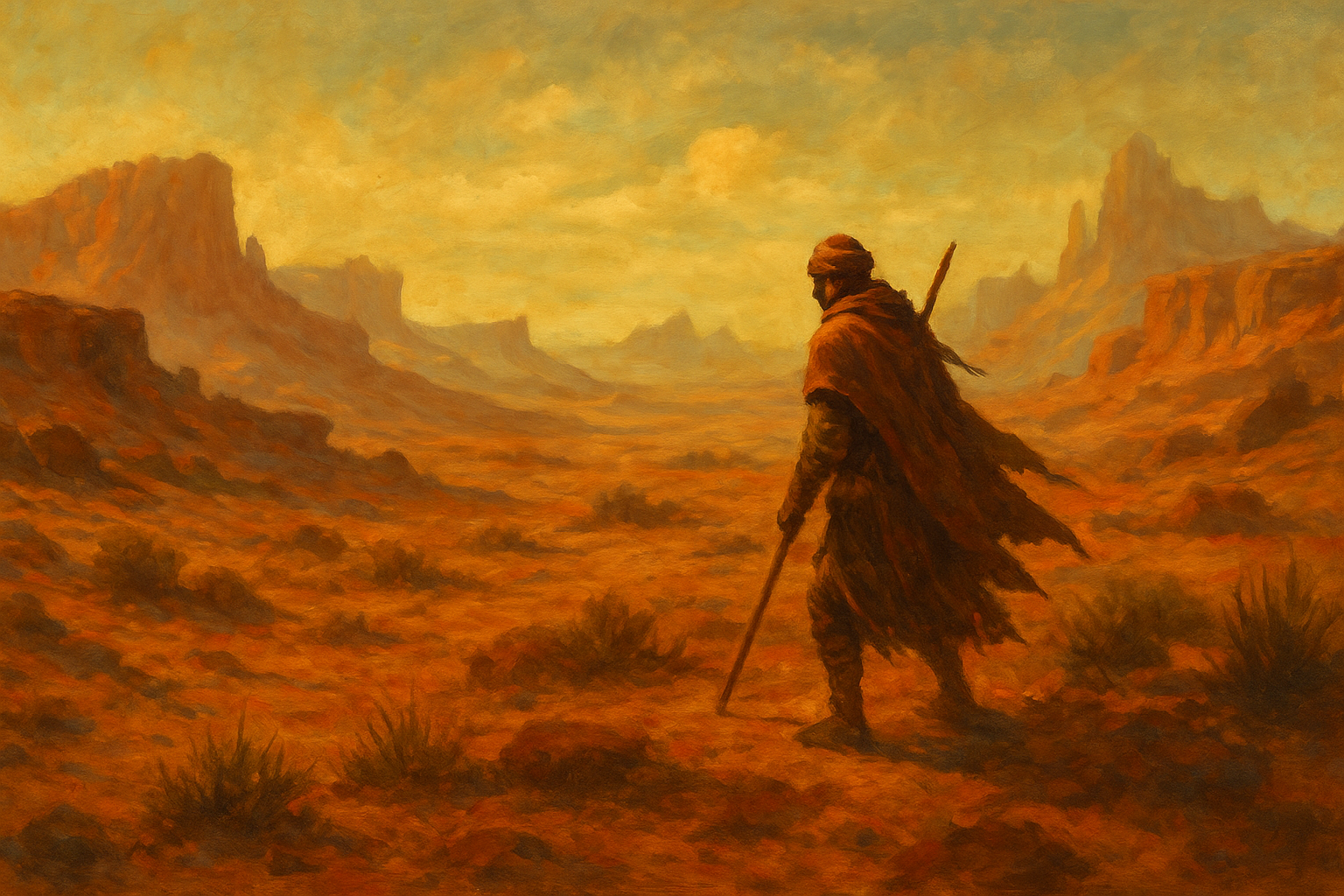
Errata's Setting Emerges
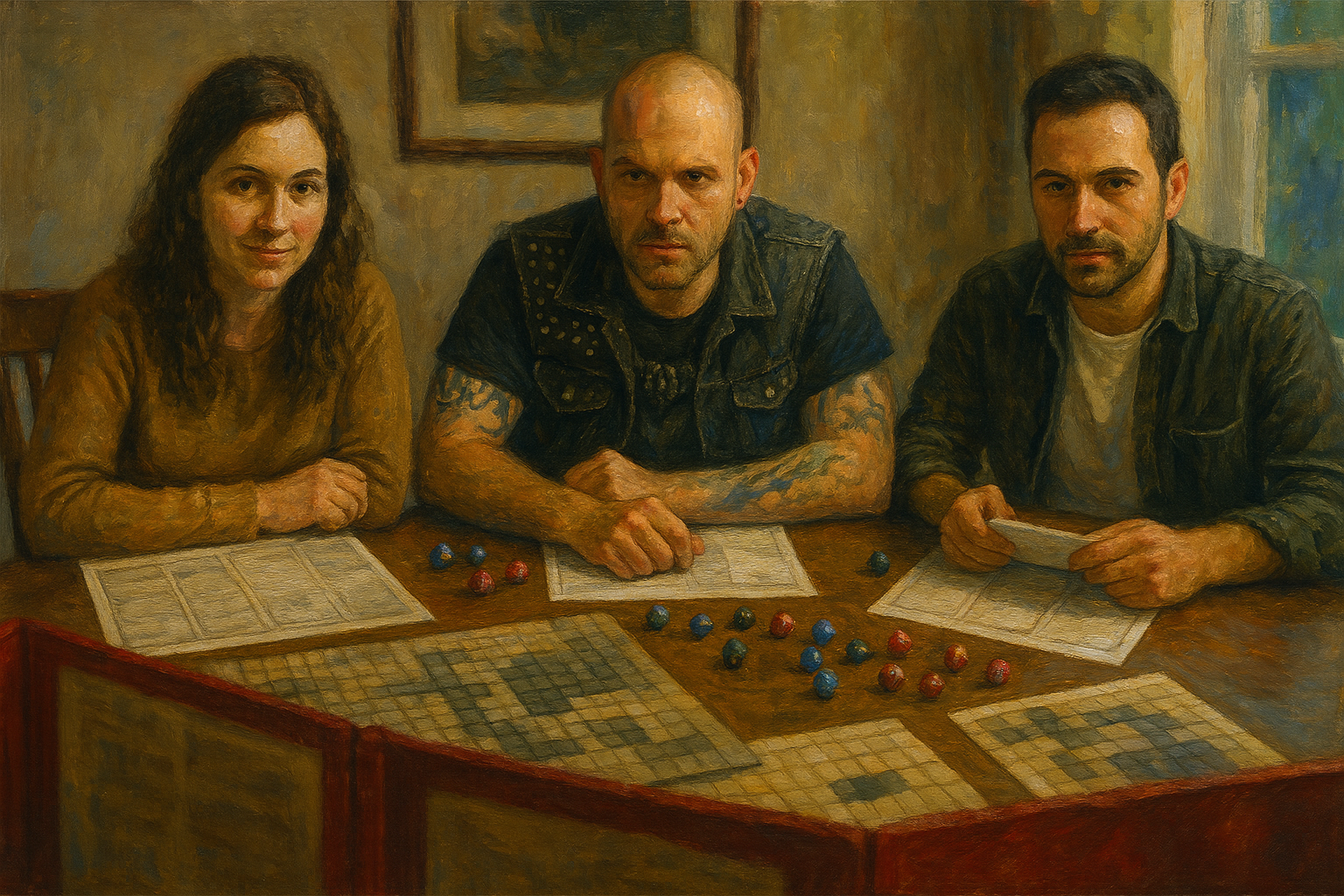
Play Elements Refined
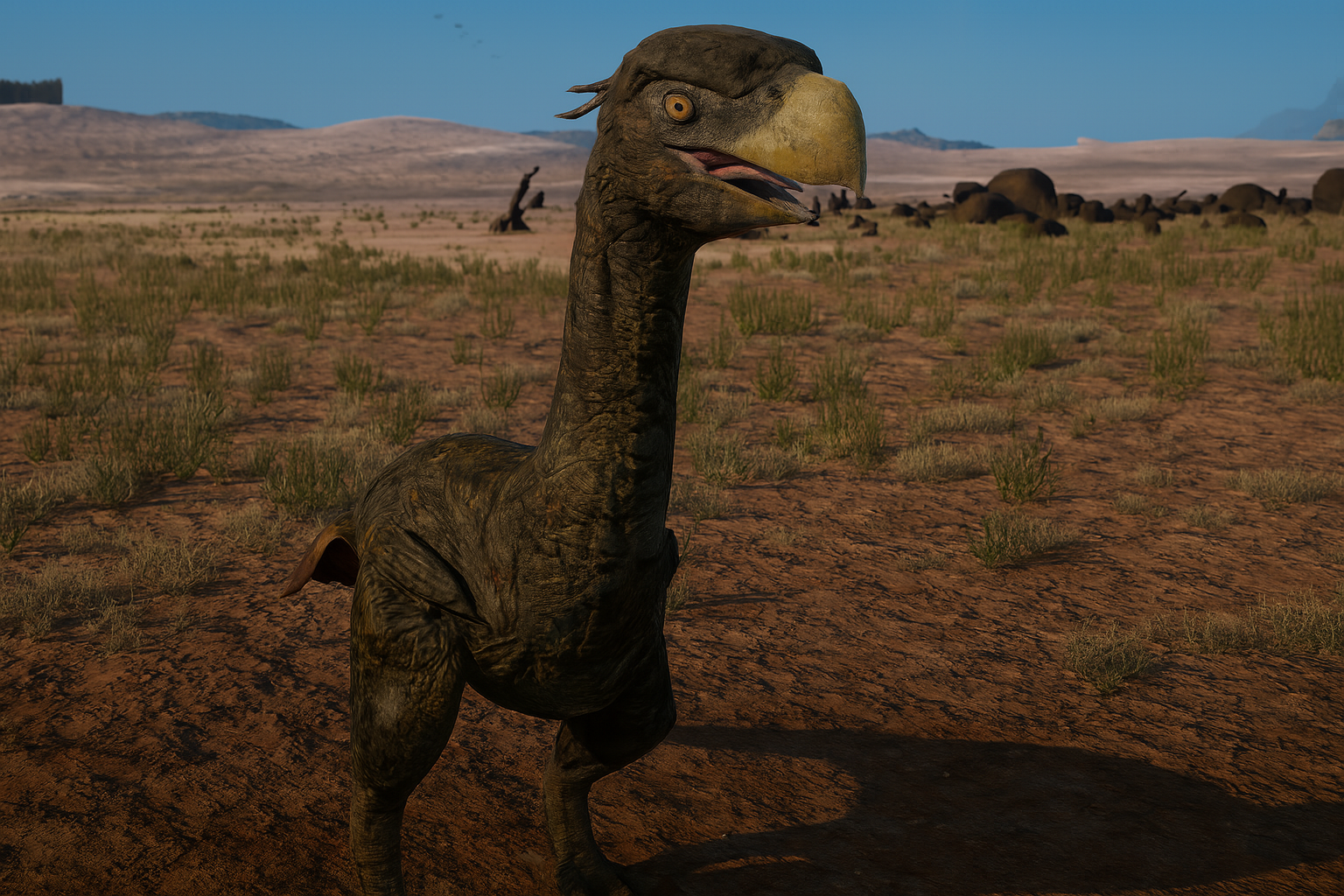
Errata Concepts in Computer RPGs
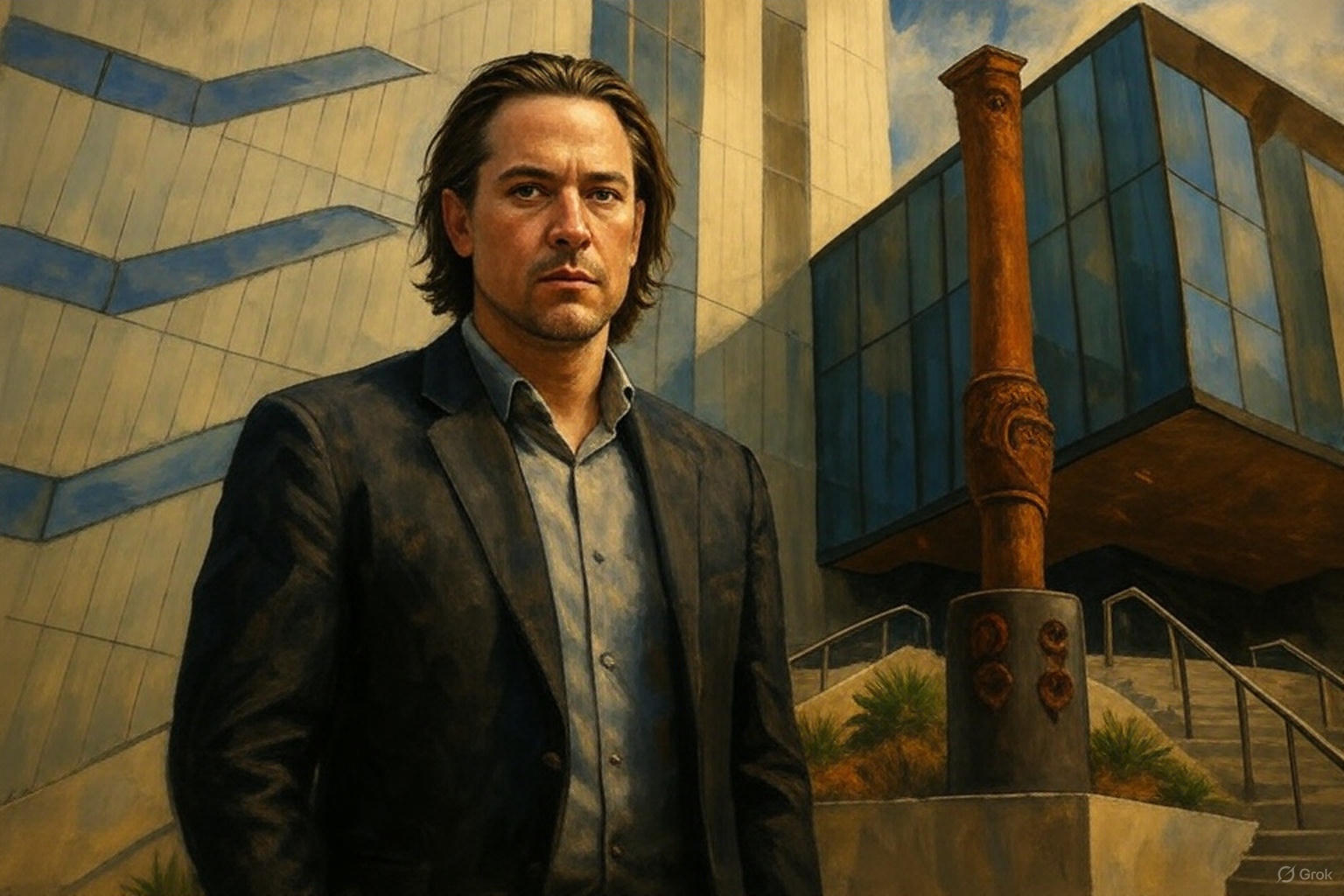
Tumeke Innovation Founded
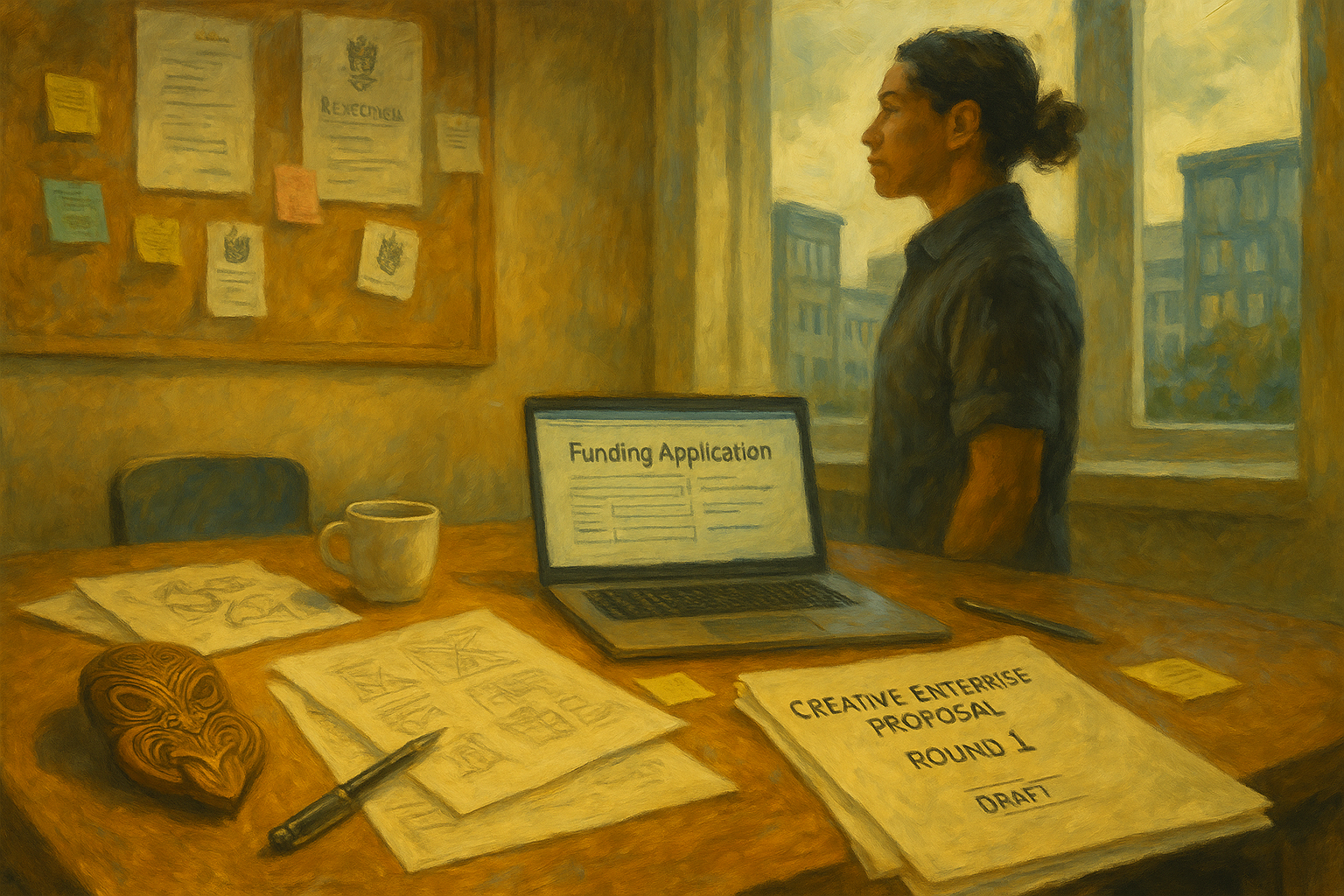
First Round Funding
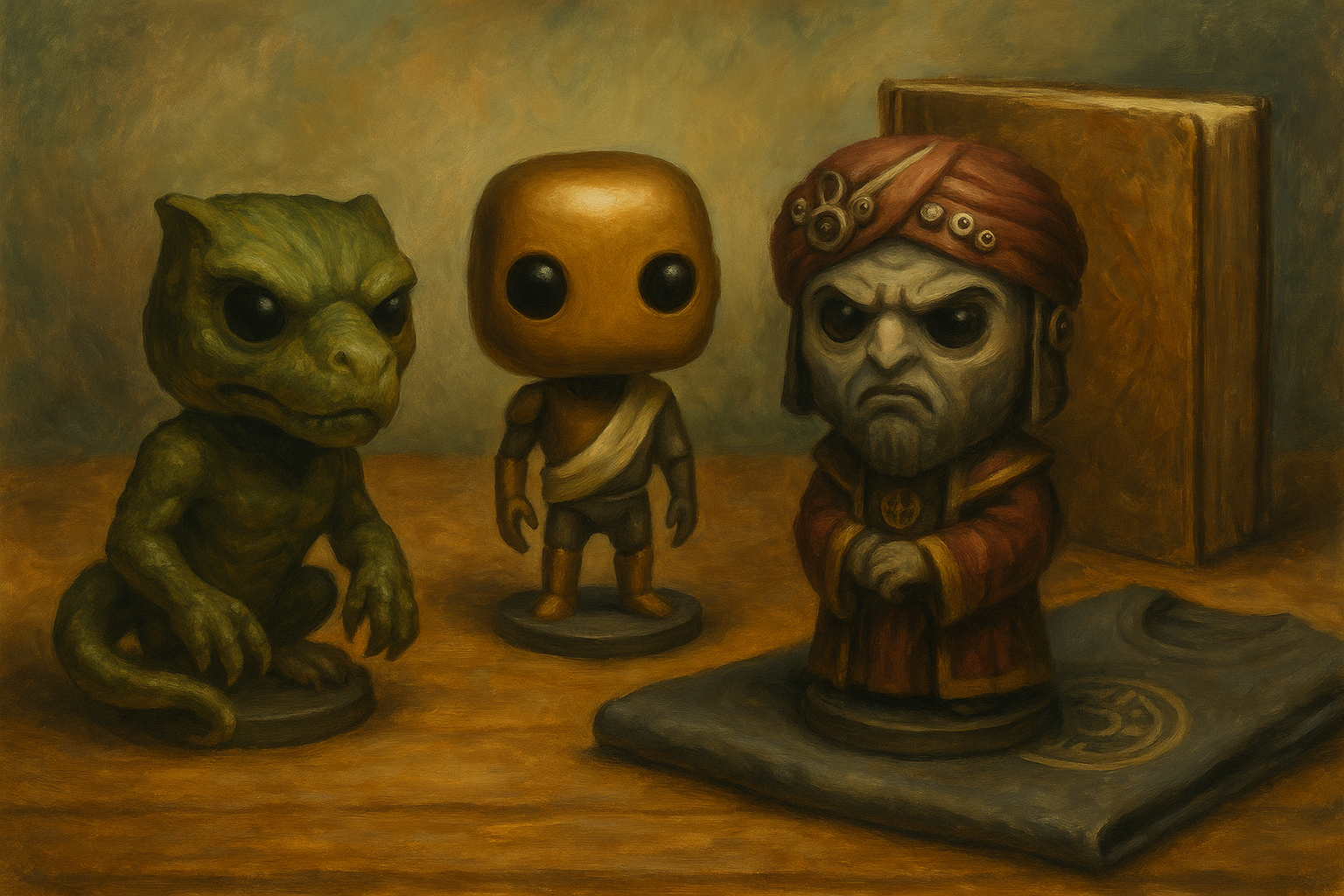
Crowdfunding Begins!
Phase 1 - Initial Design
Crowdfunding Delivery!
Phase 2 - Internal Testing
Phase 3 - Closed Alpha Testing
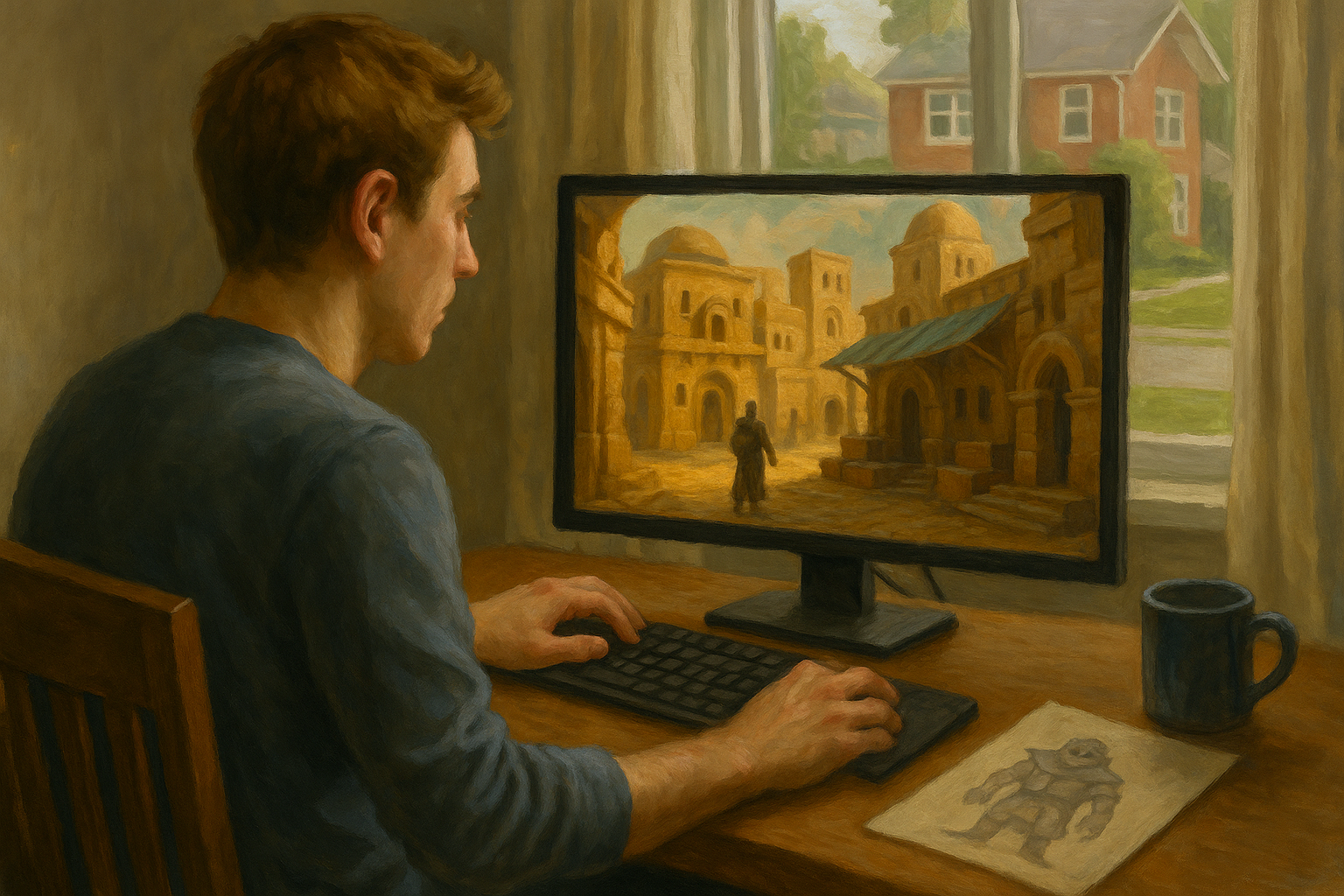
Phase 4 - Beta Testing
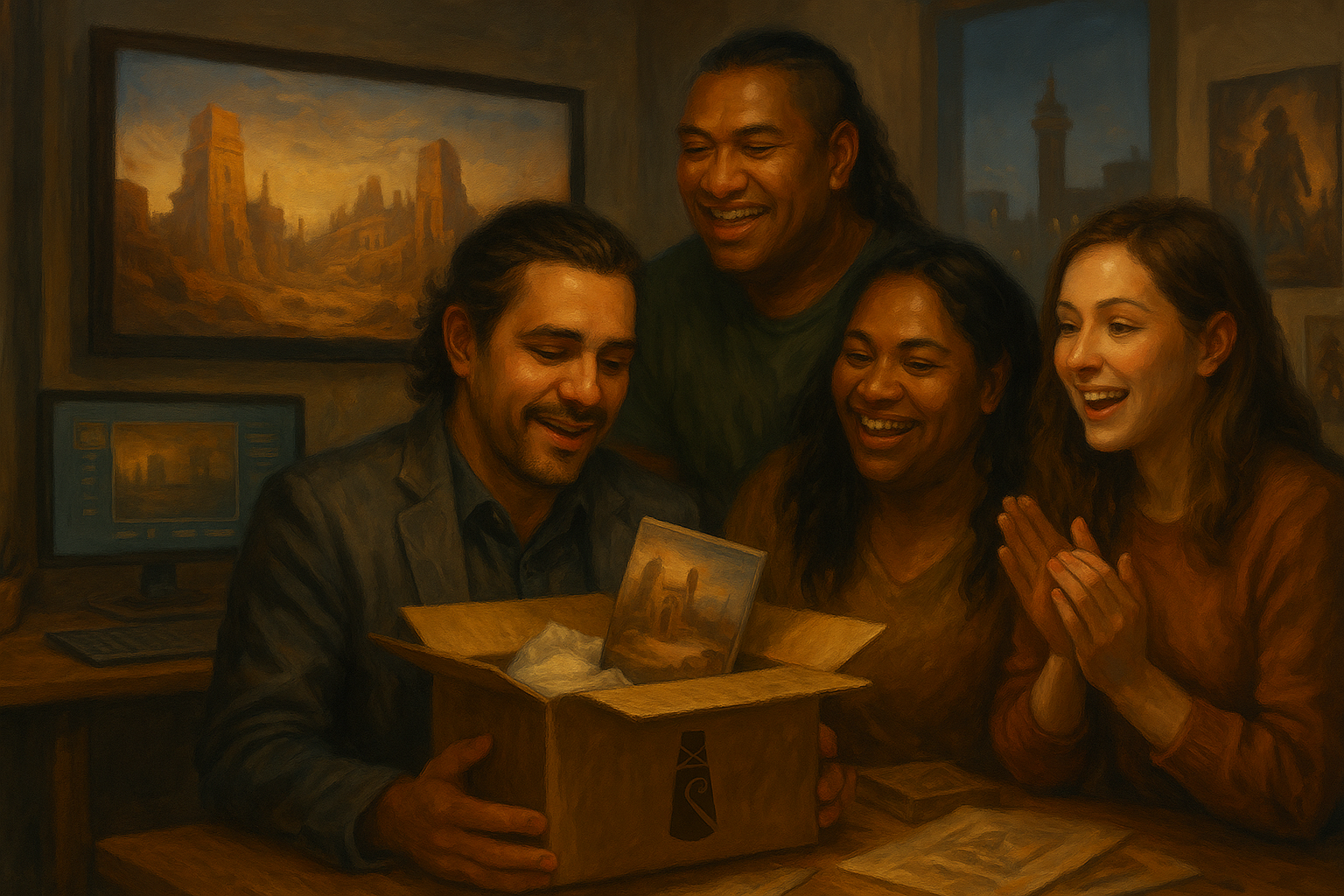
Public Release
All images are dramatizations reflecting the intended development of Errata from beginning to end. Dates are subject to change.
You liked Moana. You learned the Haka. Now join the Kaupapa.
Māori science fiction is not absent because it lacks vision. It’s absent because systems never made room for our logic, our whakapapa, or our sovereignty in speculative space.
We are changing that. Not by asking permission. By just doing it.
Errata isn’t just a story. It’s a reclamation of time, memory, and survival through a Māori lens. It honors taonga, not tropes. It moves with whānau, not franchises. It breathes the winds of Te Ao Māori into vaults, dunes, steel, and spirit.
If you’re waiting for the first Māori-led franchise to rise in science fiction…
Stop waiting. Help us make it.
Māori by Design
Māori are known for their welcome and inclusivity. It’s kindof our thing. Errata doesn’t show our values by locking anyone out. It’s made to invite you in. Here are some of the things you’ll begin to understand through the world of Errata.
Whanaungatanga (Relationality / Kinship Obligation)
Errata is structured around collective movement (Wahka, Hakū) and shared survival. Players are never truly alone; success depends on recognizing, honoring, and navigating kin-based obligations no matter how they’re derived. Your history recorded in your own character’s waiatadomi affects how others respond to you. You will see major events recorded. Your survival and story becomes entangled with theirs.
You are also confronted with its opposite, Individualism through autonomy. When value is perceived through a lens of personal independence, and not through your relationships with others, bonds become elective, transactional, and privatized.
You’re free to choose in Errata. We’re not going to tell you what’s right or wrong. The point is that the choice is built into the game, its not an afterthought.
Kaitiakitanga (Stewardship of People and Place)
The land in Errata is not a passive backdrop. Silt basins, runoff pools, and verdant belts are both threats and gifts. Water is managed, not consumed. Smoke and storms are read like ancestors’ moods. Players learn that care for the land isn’t mystical—it’s mechanical, cultural, and vital. It’s not about preaching morality. It’s about being aware.
In Errata you are also confronted with the opposite in very stark fashion. The consequences of extraction and ownership are all around the players. This isn’t some fantasy world like Dune (We love Dune, by the way). This is home. Our home. The damage is done to cities we live in. This is something we can feel, if we choose to.
Manaakitanga (Uplifting Others through Care)
Hospitality isn’t optional in a collapsing world. Whether tending the sick in a Wahka Kainga or hosting a tangihaa on a Wahka Mauri, players are taught to value gestures of mana-enhancing care. Feeding, protecting, and honoring guests strengthens your own standing—not out of charity, but out of shared dignity. Even in the cities a lack of hospitality can get you in trouble very quickly. Everyone is watching.
Even so, the cities are also places where you can observe the ultimate consequences of lack of Manakitanga, through concepts of conditional worth and hard coded hierarchy. This becomes especially true when you meet the Highlanders, whos society is very rigid, and the Faceless, who are the ultimate users of humanity itself.
Ukaipōtanga (Sense of Belonging and Return)
The notion of home in Errata is mobile, recorded in carved wood, not fixed geography. The waiatadomi tracks your family’s journey—where you’ve been, who you’ve traveled with. This gives players a visceral, mechanical way to remember forward and travel backwards, grounding belonging in movement and memory.
The consequences of a displacement, rootlessness, and expansionism is evidenced in the rampant exploitation, numerous ruined neighbor cities, and resource management in the oases that players will have to navigate as their influence expands. Then there’s the outcasts—the ultimate displaced. Unwanted and unwelcome, they turn to desperation to survive.
Tapu / Noa (Respectful Distinction and Release)
Tangihaa, Hakarehu, and Waiata are not “cutscenes” or performative fluff. They structure space and behavior. Characters in world actually engage in the behavior, and there are consequences for violating it. Some spaces are tapu—requiring silence or formality. Others are noa—released, everyday. Players learn to navigate these zones and situations with care.
The blurred lines of the city-states present the opposite of this, where Janissaries and Automata peer into every aspect of life, and intrude at the most inopportune times with accusations and expectations of performance on demand. There is no neutral space. Respect is performative, only.
Mauri (Vital Binding / Integrity of Being)
Mauri is not a life force meter. It’s the cohesion of a thing or a group. A Wahka with no carvings is unmoored. A Hakū with broken kinship ties is structurally unsound. A Drifter with no contracts is an outcast. An outcast with no food is, well its a meal for a Makutai. Players don’t “lose mauri”—they compromise the function and cohesion of their journey. Keeping mauri intact is about asking why you’re doing something, and making sure that you follow through on your obligations.
Clone King existence is all about the lack of Mauri. Everything about them, their culture, their expression, their enforcement, their very logic, is about utility. Nothing has presence. Everything is hand selected for a purpose.
Utu (Reciprocity, Balance, Redress)
Characters remember when you give too little, or take too much. If your Wahka took on survivors during a sandstorm but demanded payment, someone will repay that coldness later—perhaps in water withheld. In a world where resources are scares, barter and trade are not neutral. Accepting a gift creates obligation. Breaking that obligation creates tension. These obligations extend through all aspects of societal function.
Its easy to confuse the legal structures in the Clone King cities for Utu, but their punishment is not the same. The scales are never even. In the city, punishments are opportunities to exploit for systemic gain. The wronged party rarely sees direct redress.
Support the Build
Like what you see? Help us build Errata—an original world shaped by Indigenous creators, on Indigenous terms. We’re early in development and every bit of support helps bring this vision to life.