
Designing Systems with Shared Purpose
Tumeke designs from kaupapa Māori outward by building intelligent platforms where story shapes logic, memory guides behavior, and simulation holds cultural weight.
Designing this way ensures our systems remain accountable to place, people, and purpose. Performance still has its value, but it’s where it should be, as a support structure.
What this means for design is a different method of building, where the systems support the people and their stories, instead of trying to make the story or people fit the system. This has the potential to reach players in meaningful ways that traditional western style world-building and systems design has found challenging.

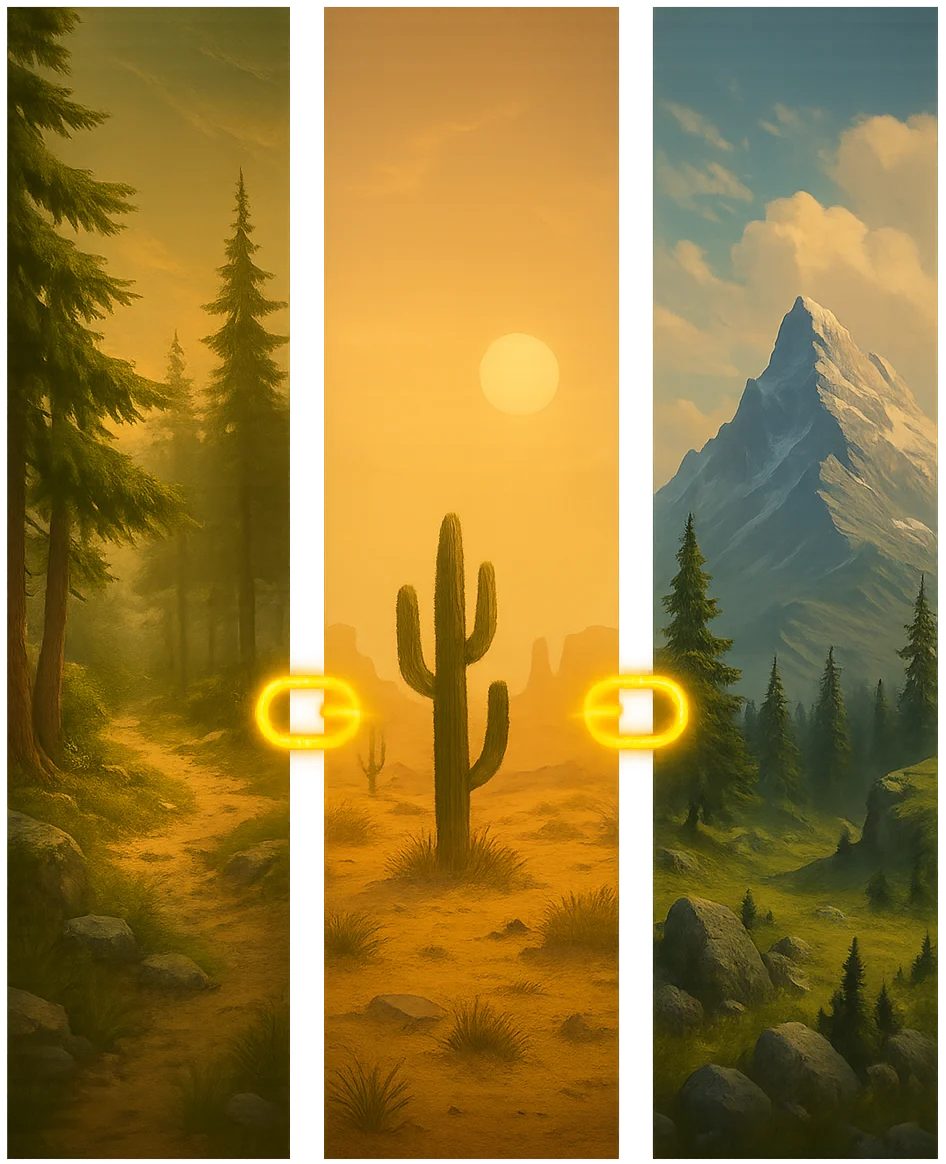
Built for Scale. Designed for Memory. Powered by Logic.
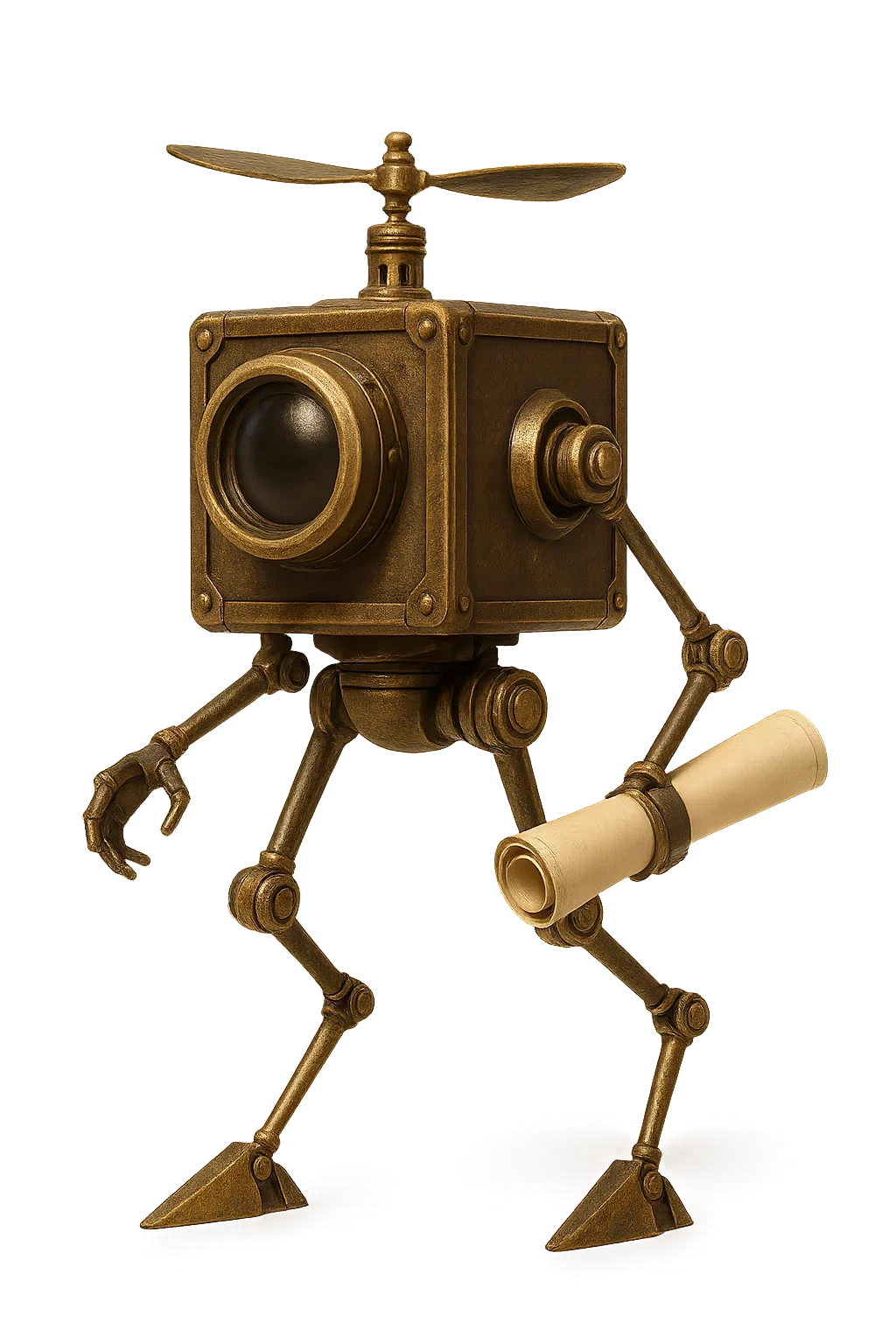
Our proprietary platform is a relational object management system built to oversee logic, behavior, and contextual memory across large-scale simulations.
Think of it as our brain for persistent simulation. It’s not a game engine, it goes a step beyond. It’s built to oversee logic, behavior, and contextual memory across multi-server environments.
Some Mistakes Don’t End. They Define Everything That Comes After.
Errata is a survival RPG set in a post-collapse world where memory shapes history and every faction clings to its own version of the truth.
Errata is Earth. But not the one we remember. It is a place where our worst decisions were preserved, repeated, and written into the bones of the world.
Players must navigate between the decaying legacy of the Clone Kings and the resurgence of kaupapa Māori values embraced by their descendants, the Dryrunners, choosing whether to rebuild through manaakitanga, or extract through domination.
Drawing the World That Forgot Itself
Illustration as memory. Illustration as myth. Illustration as collapse.
Updates from the Edge of a Broken World
This is where we document the build. From platform logic and system failures to narrative tools and cultural design, this is how we are shaping Errata and supporting other worlds to come.
Contact
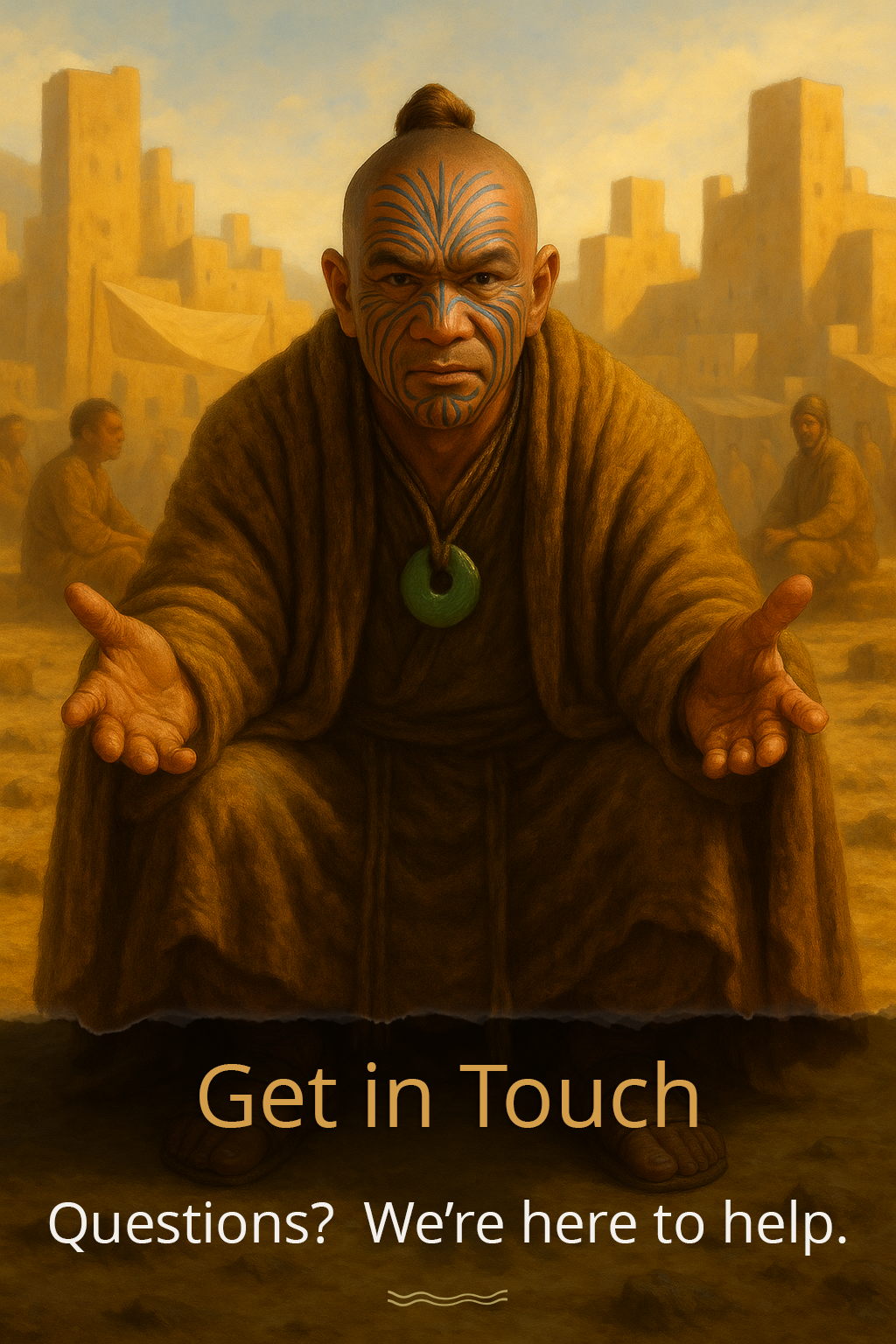
This kaupapa isn’t just ours. If you’re building an inclusive future for everyone in game spaces, let’s talk.
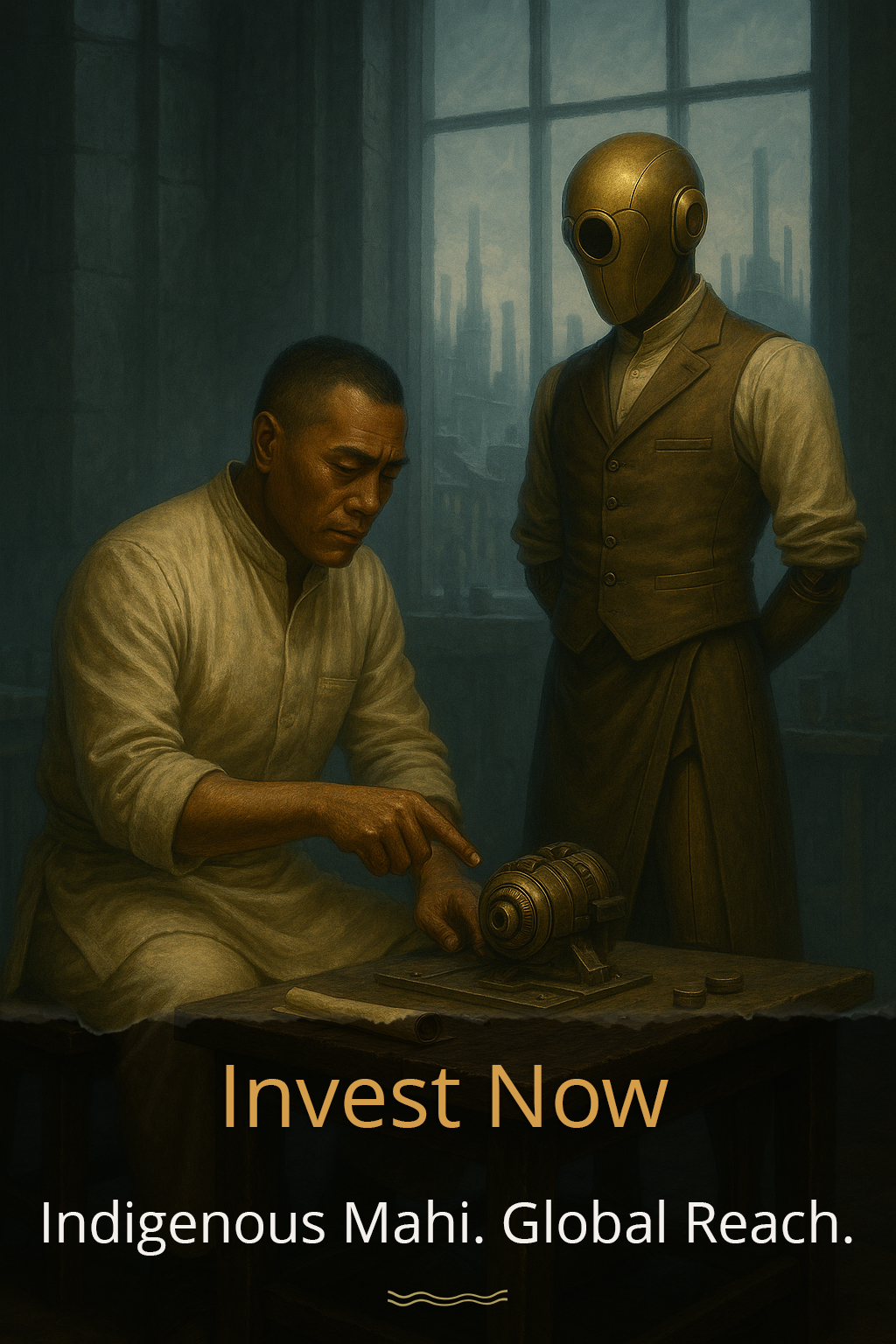
Tumeke is currently building investor relationships and long-term partnerships to support current and future phases of development.